‘ili kai
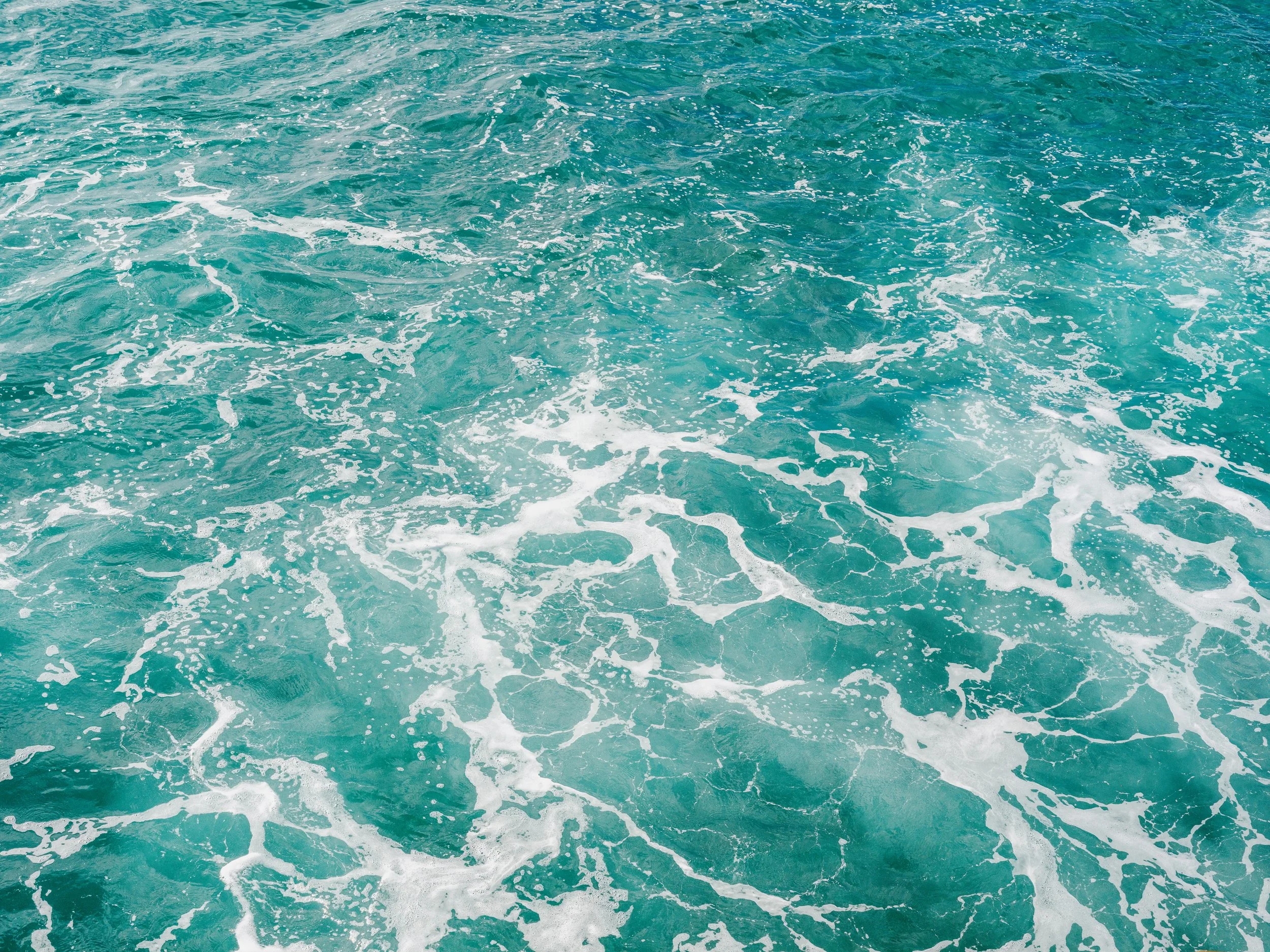
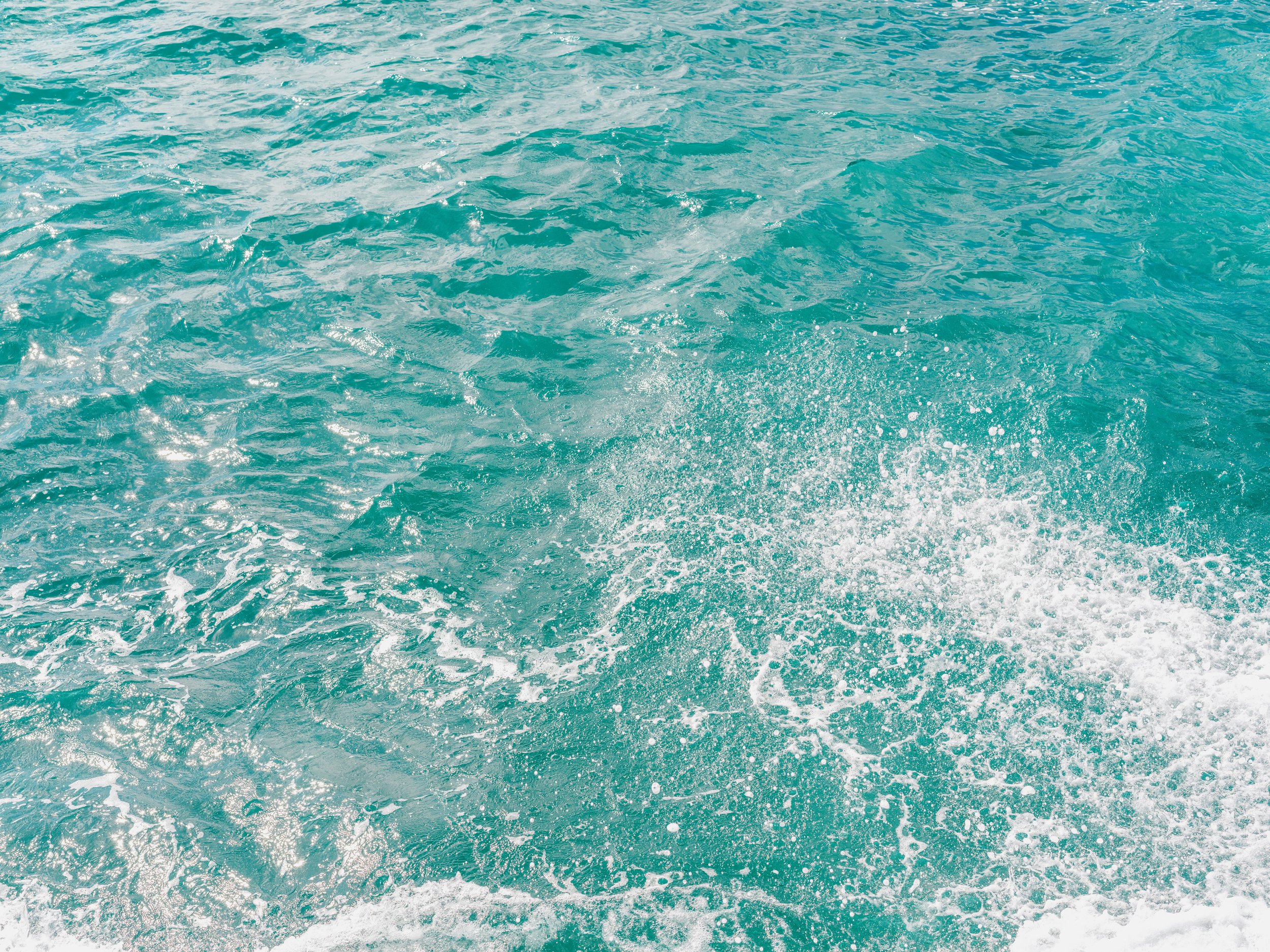
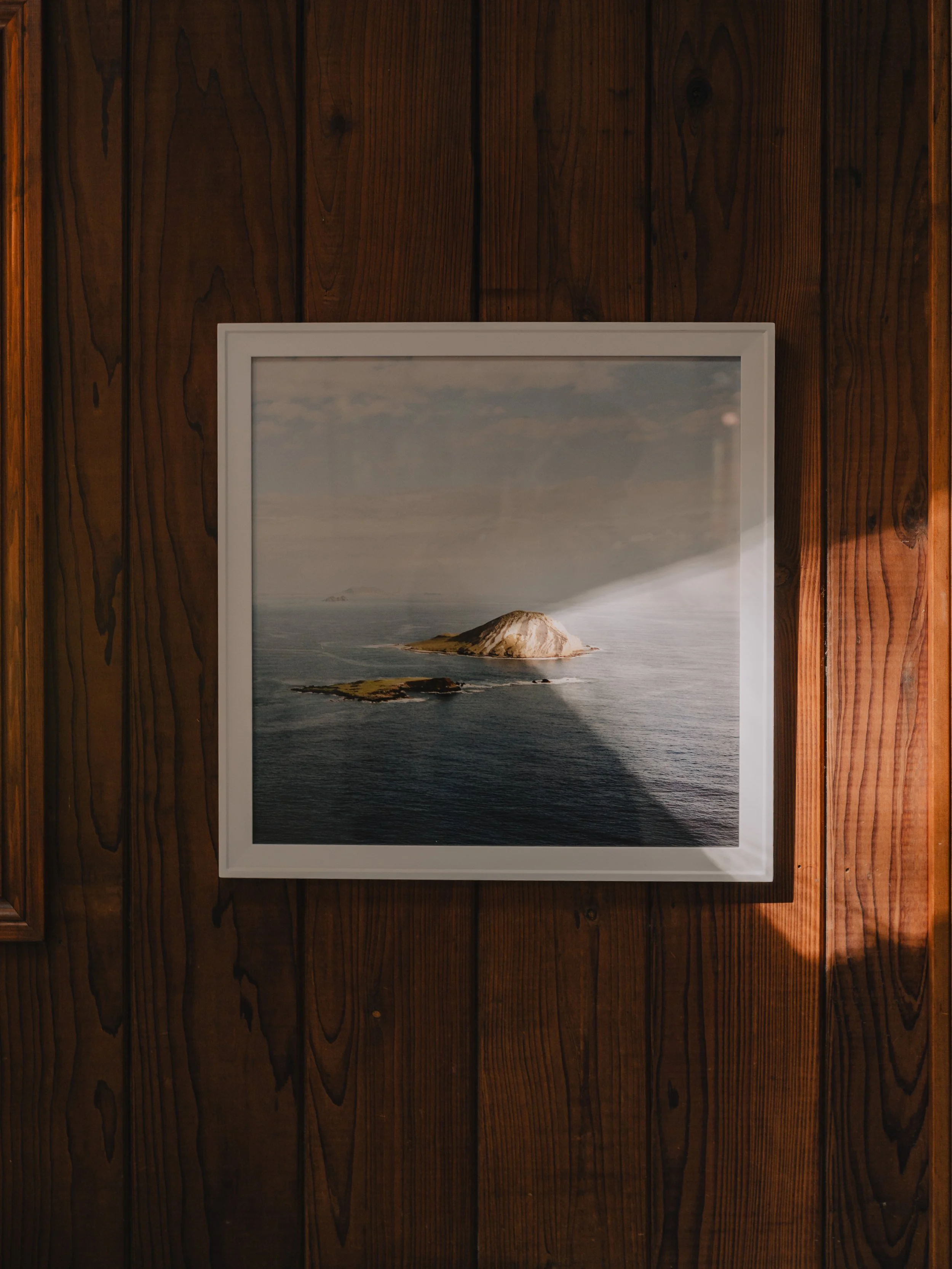
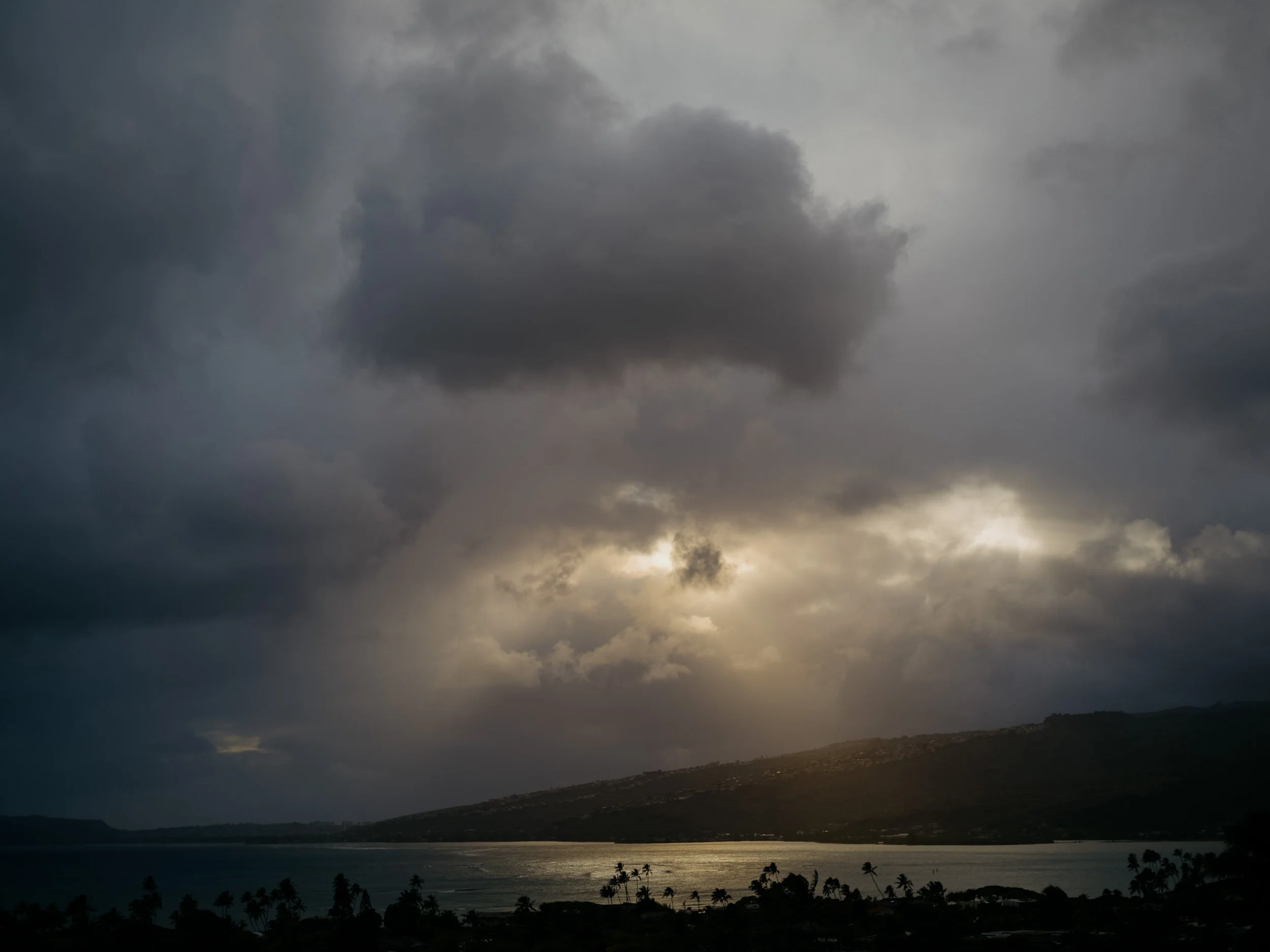
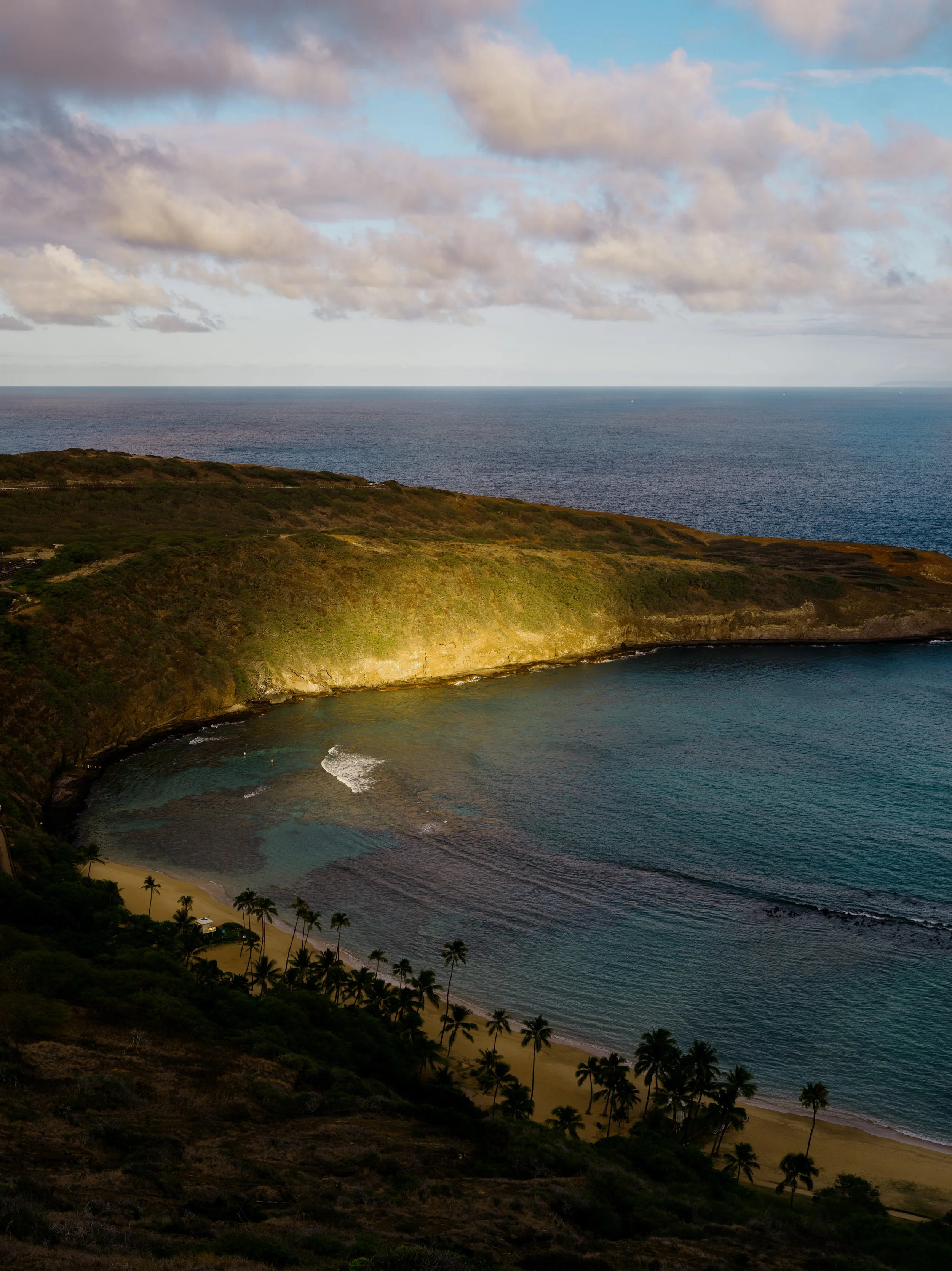
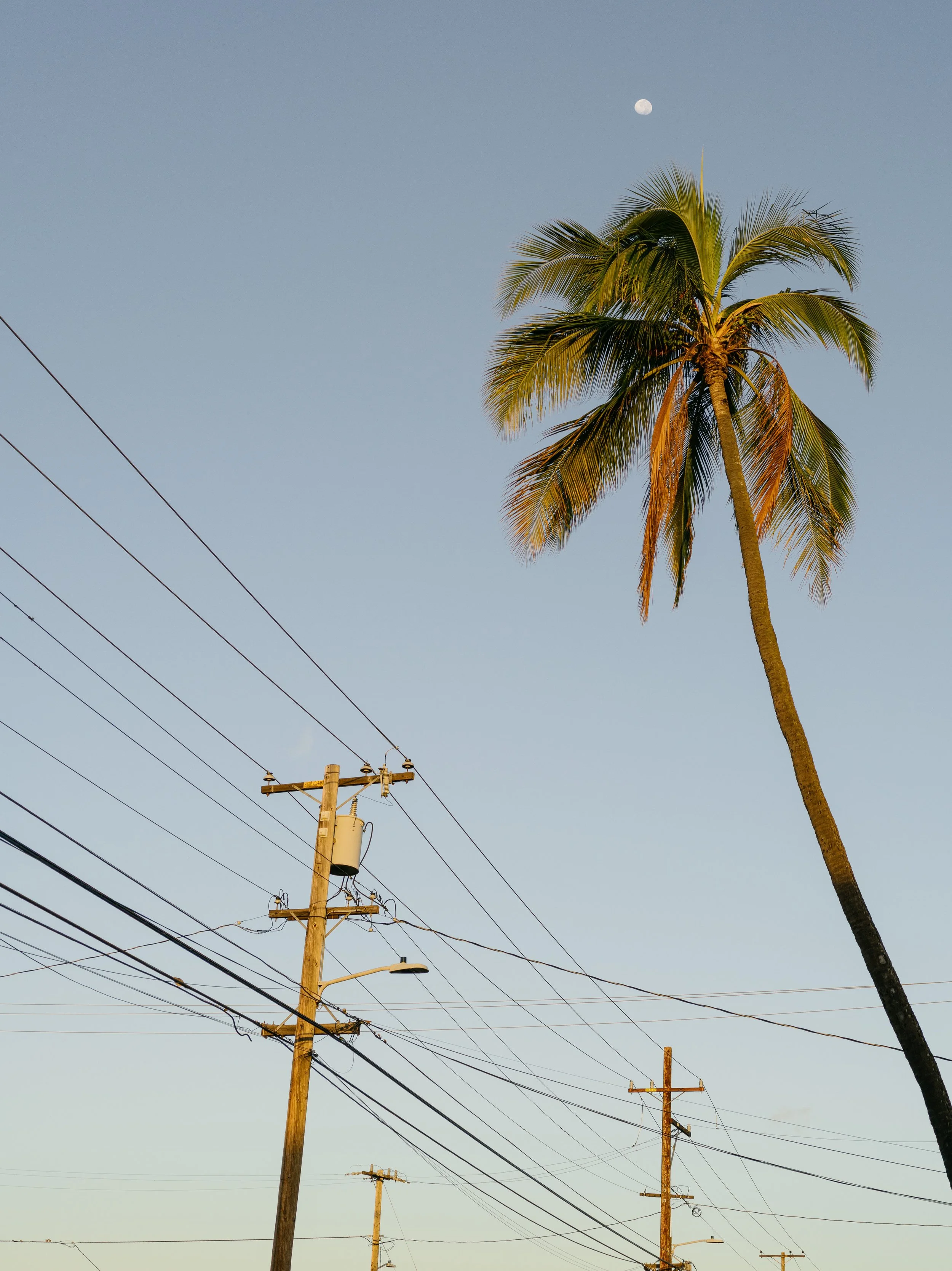
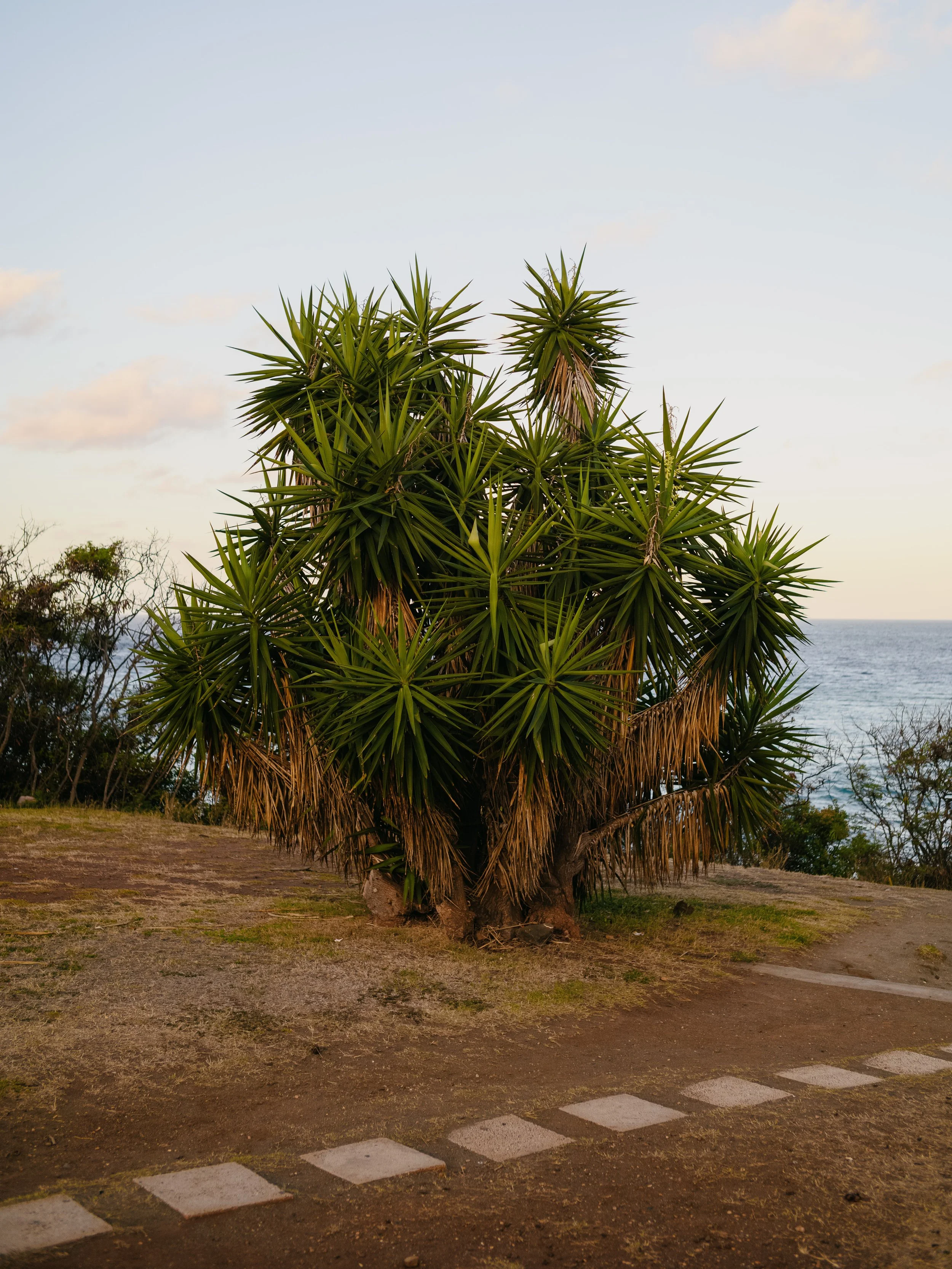
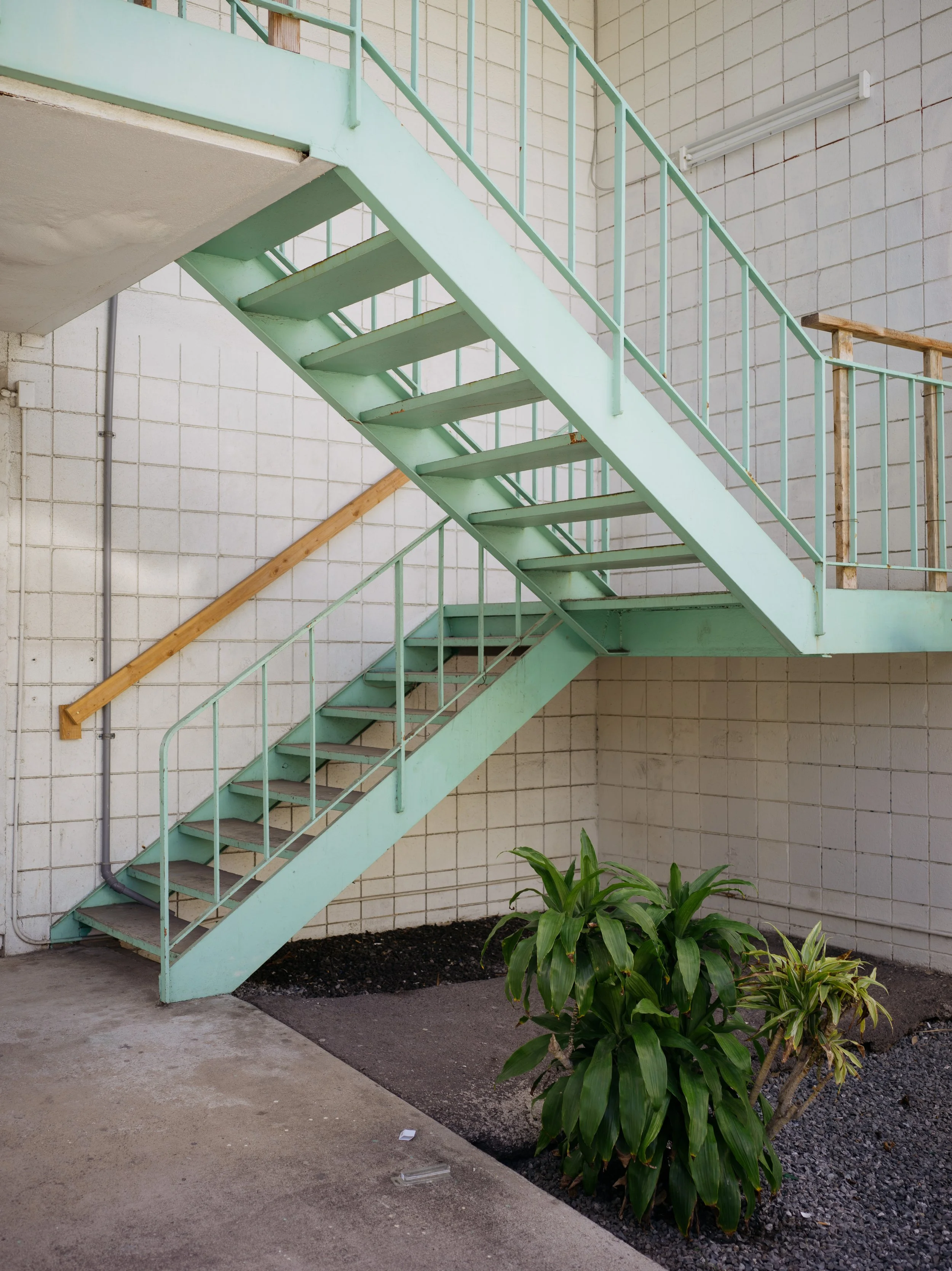
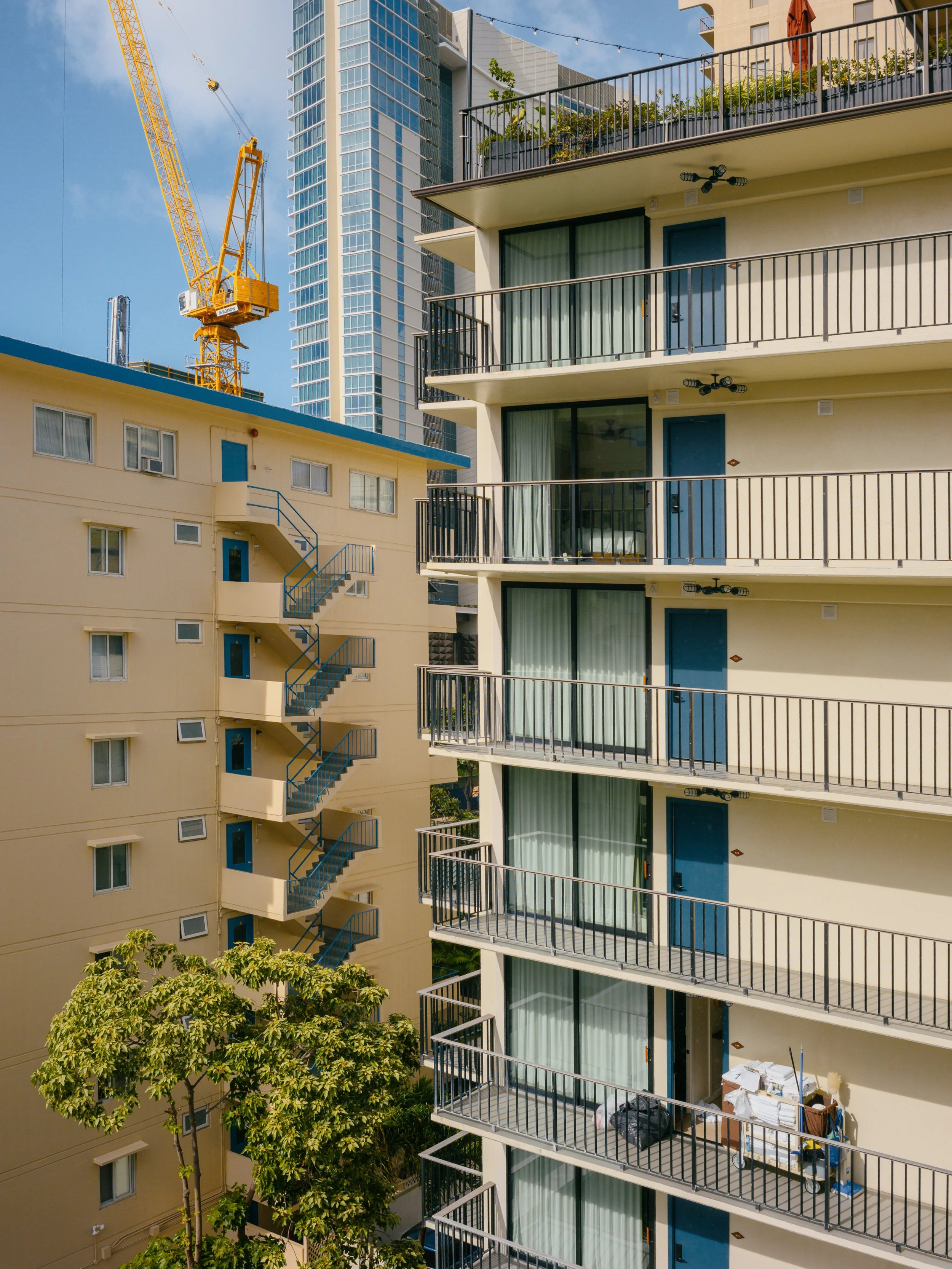
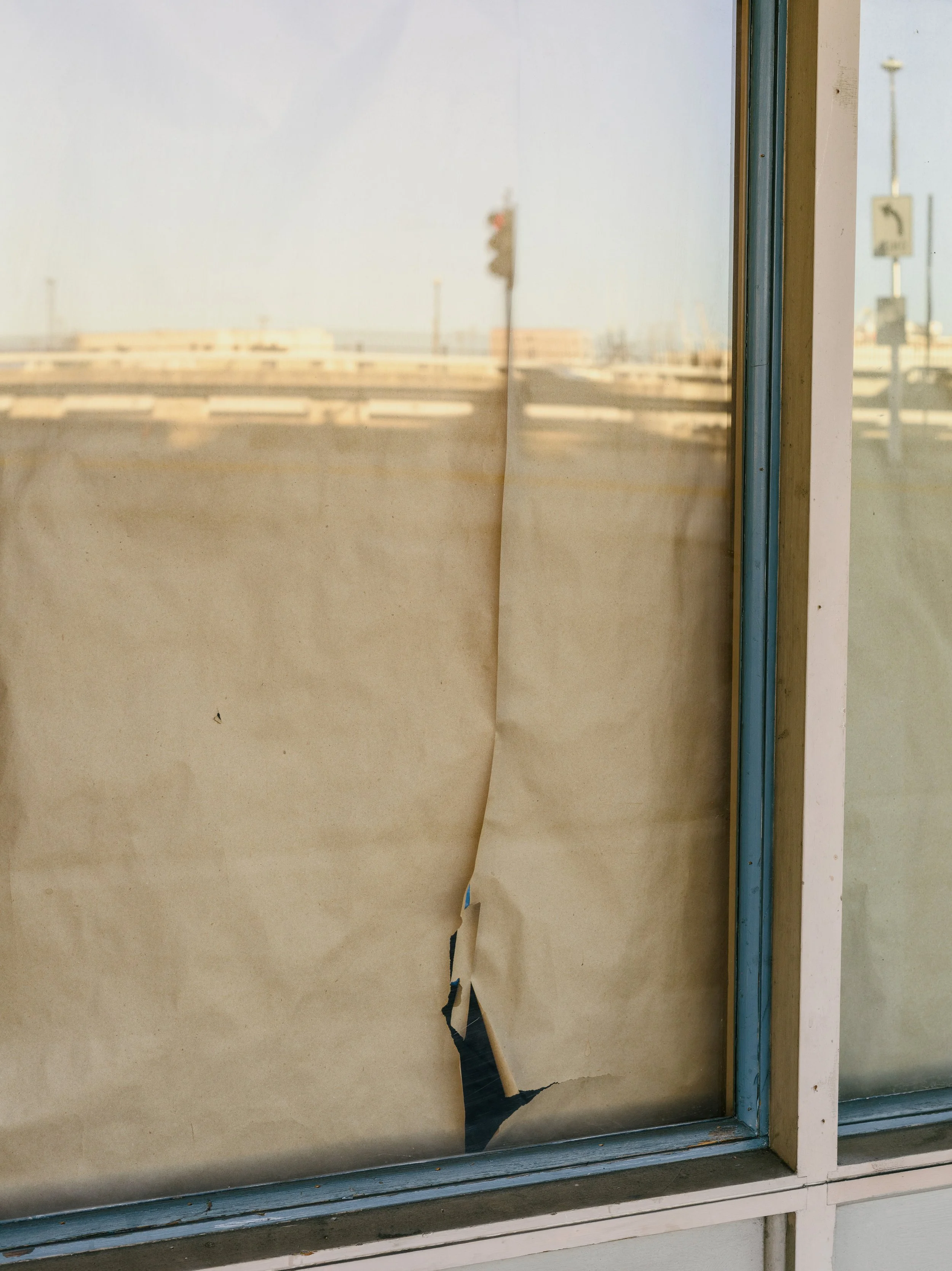
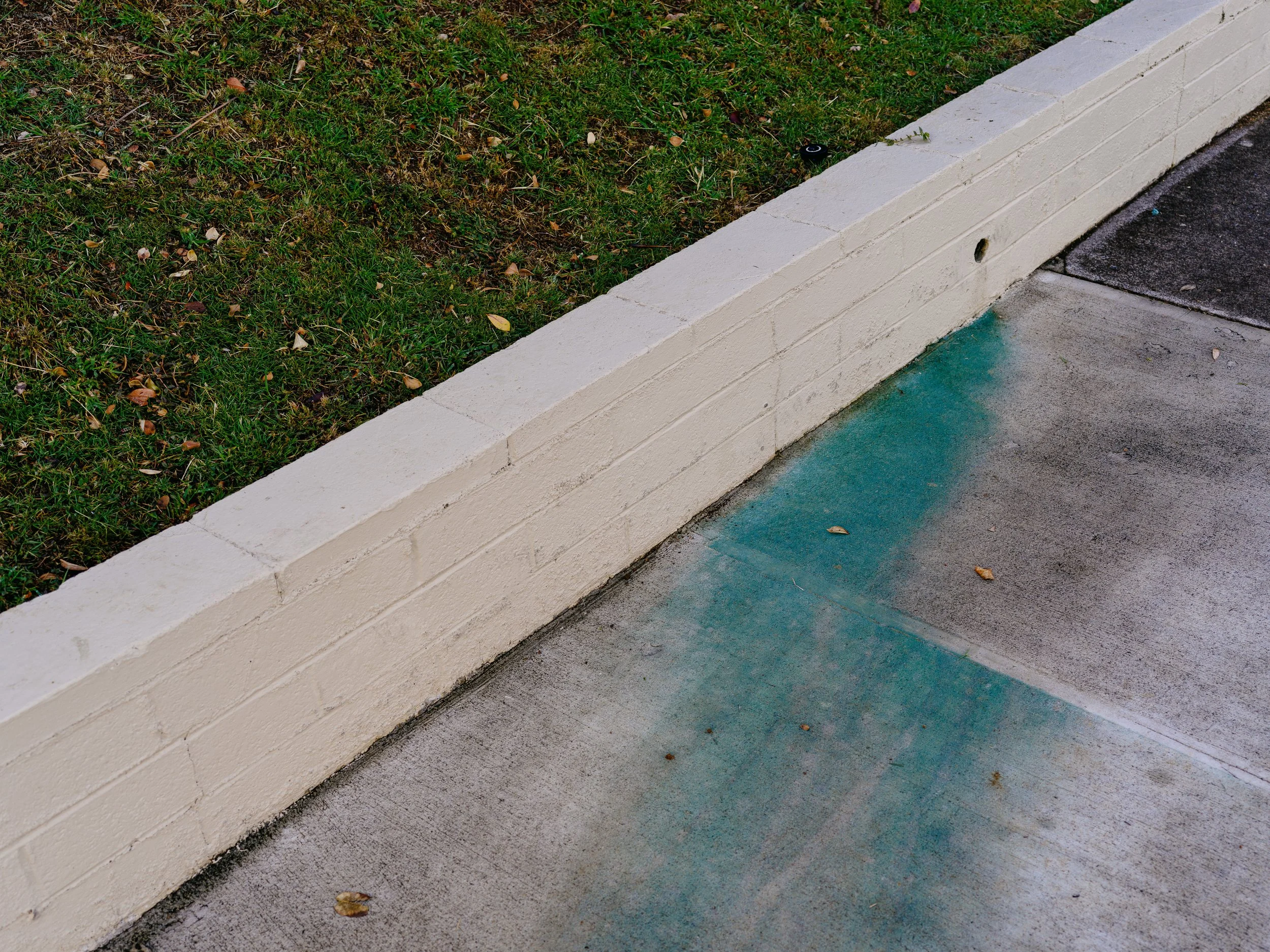
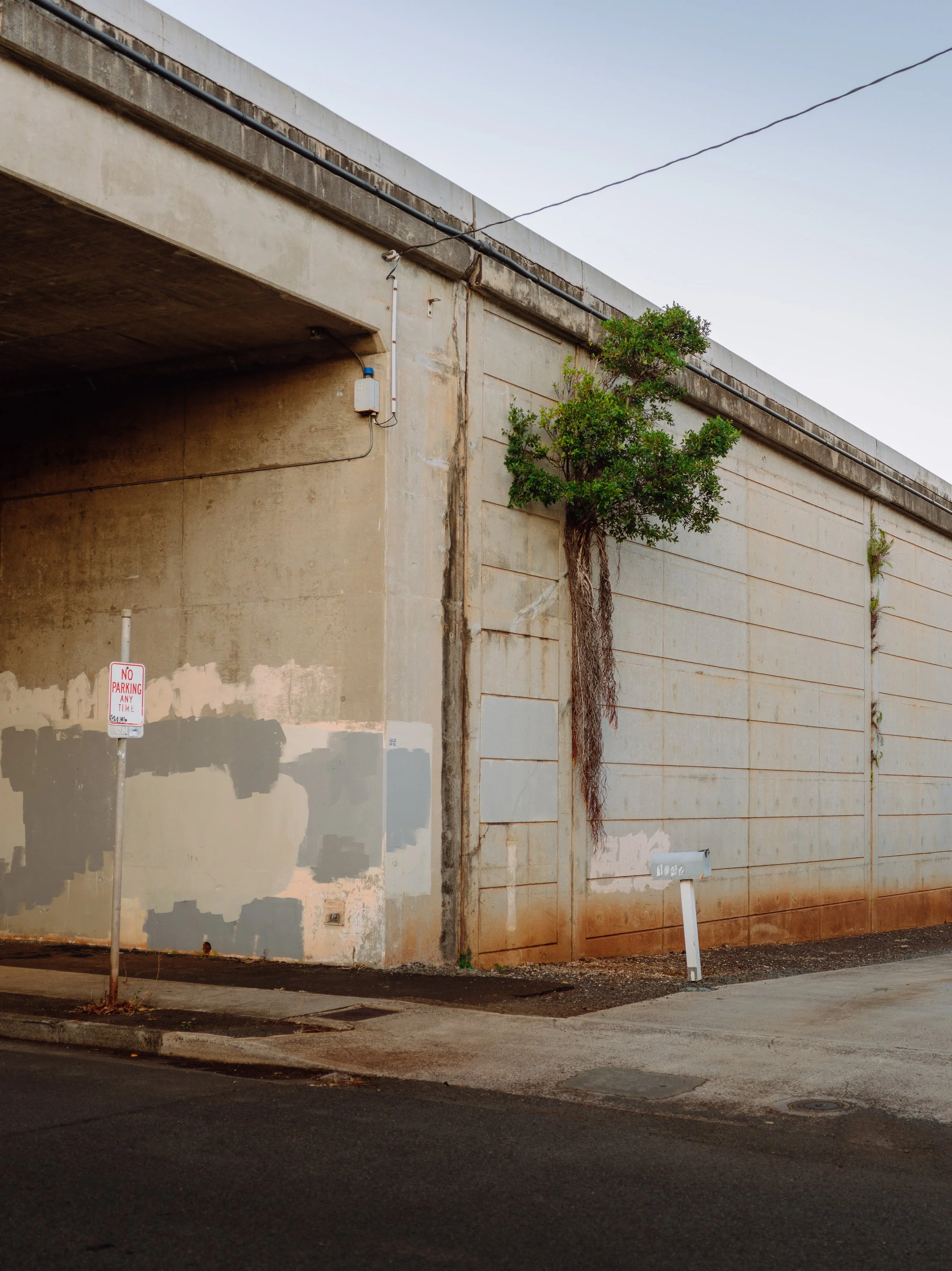
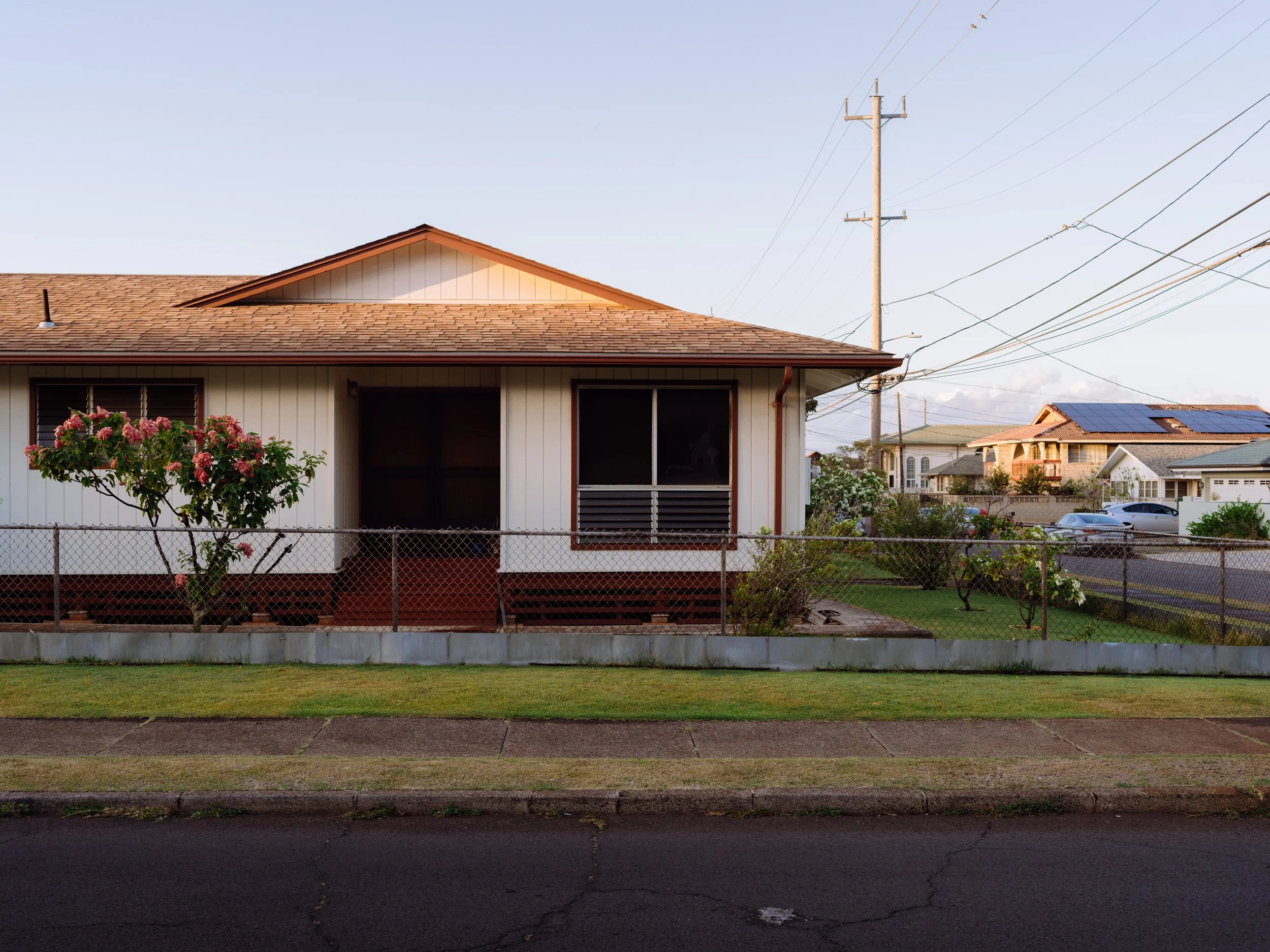
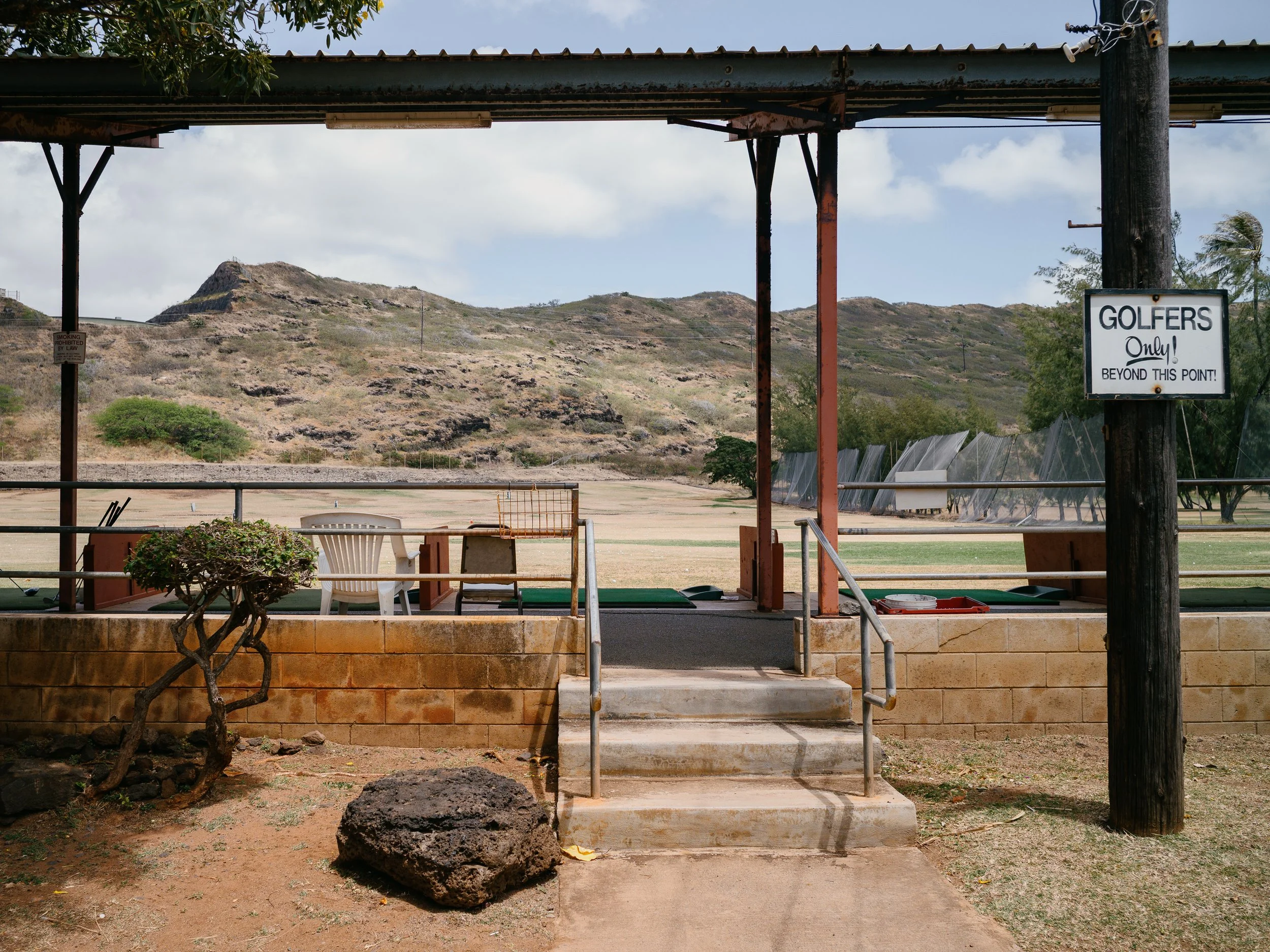
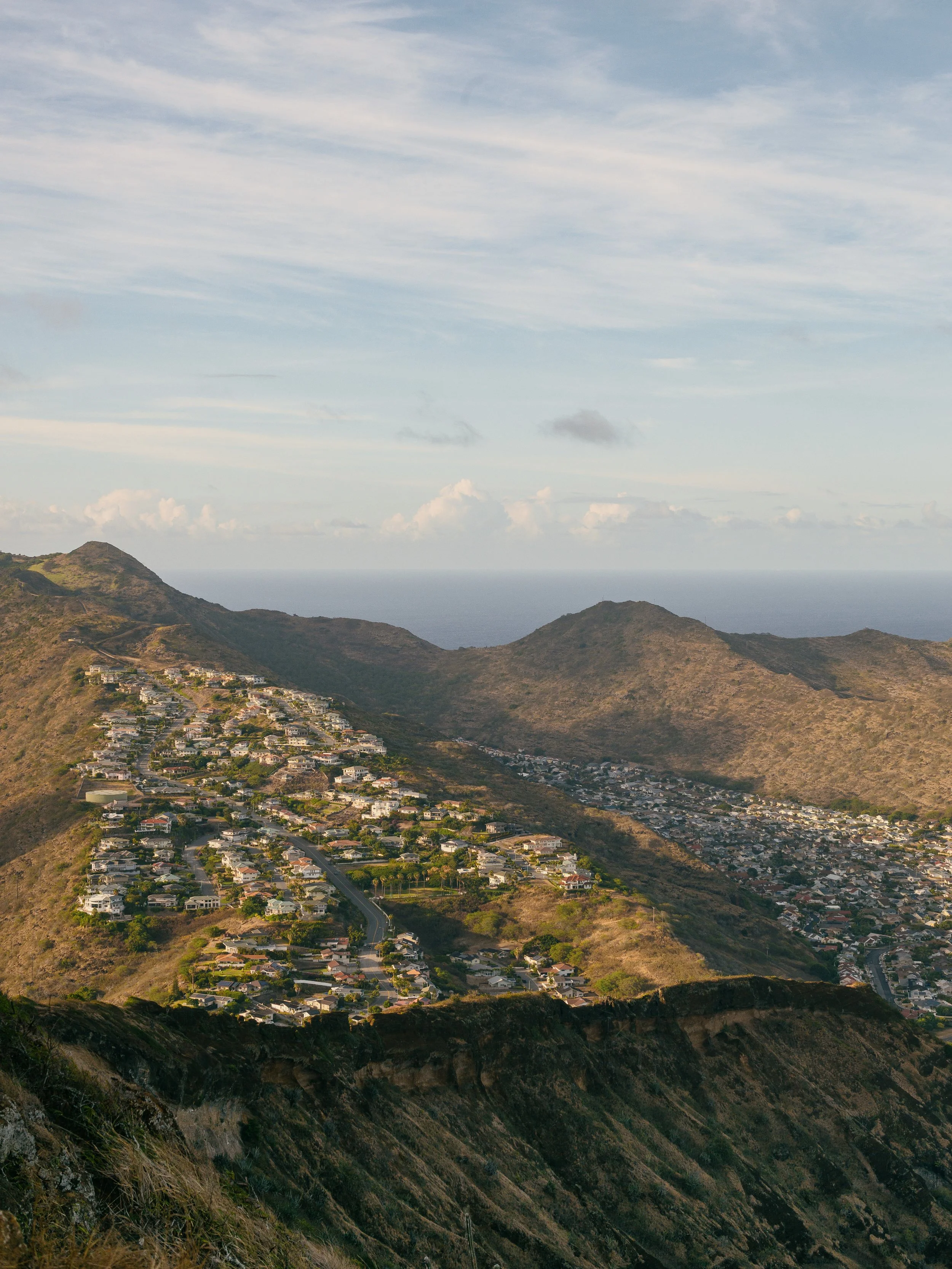
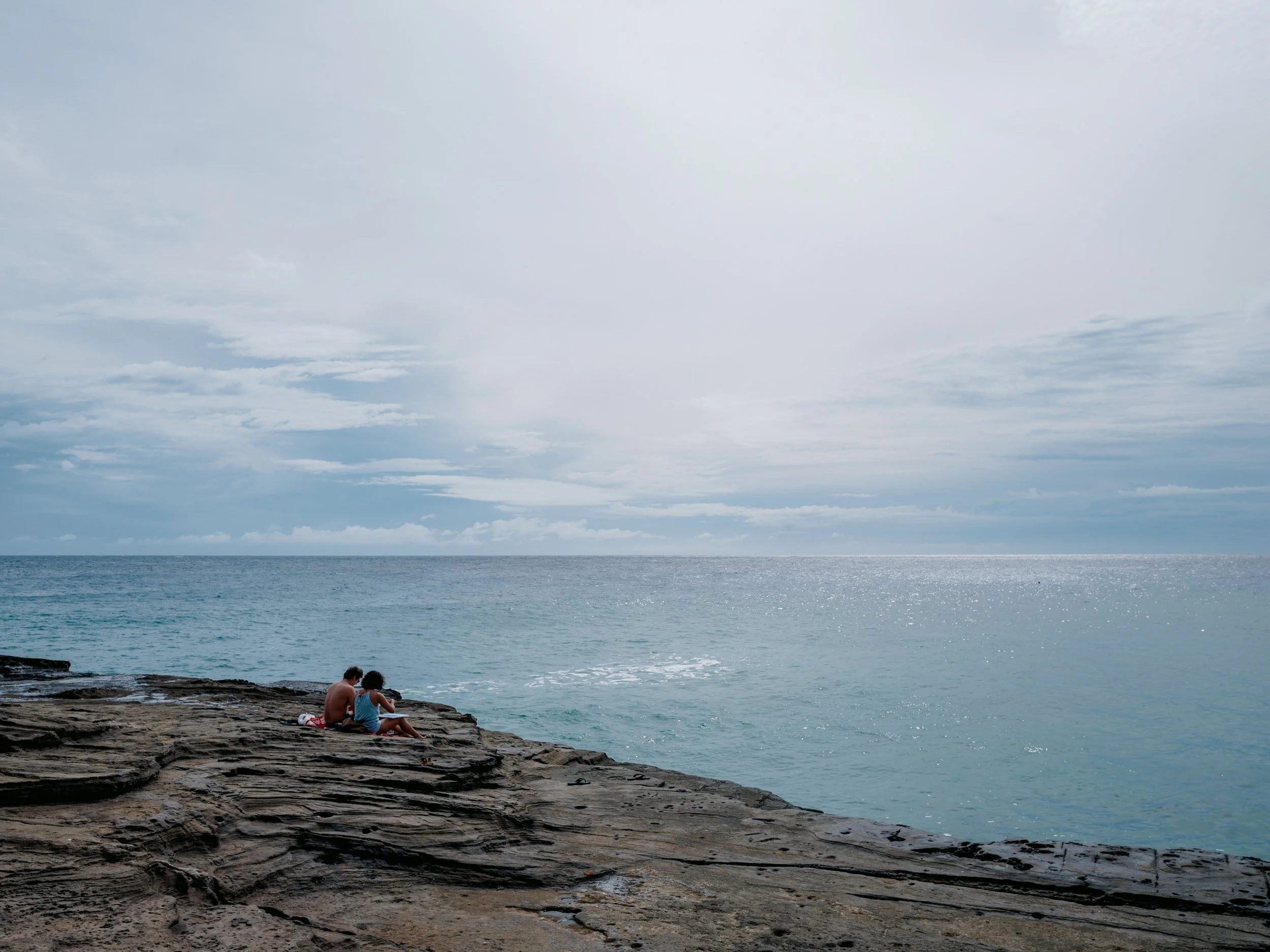
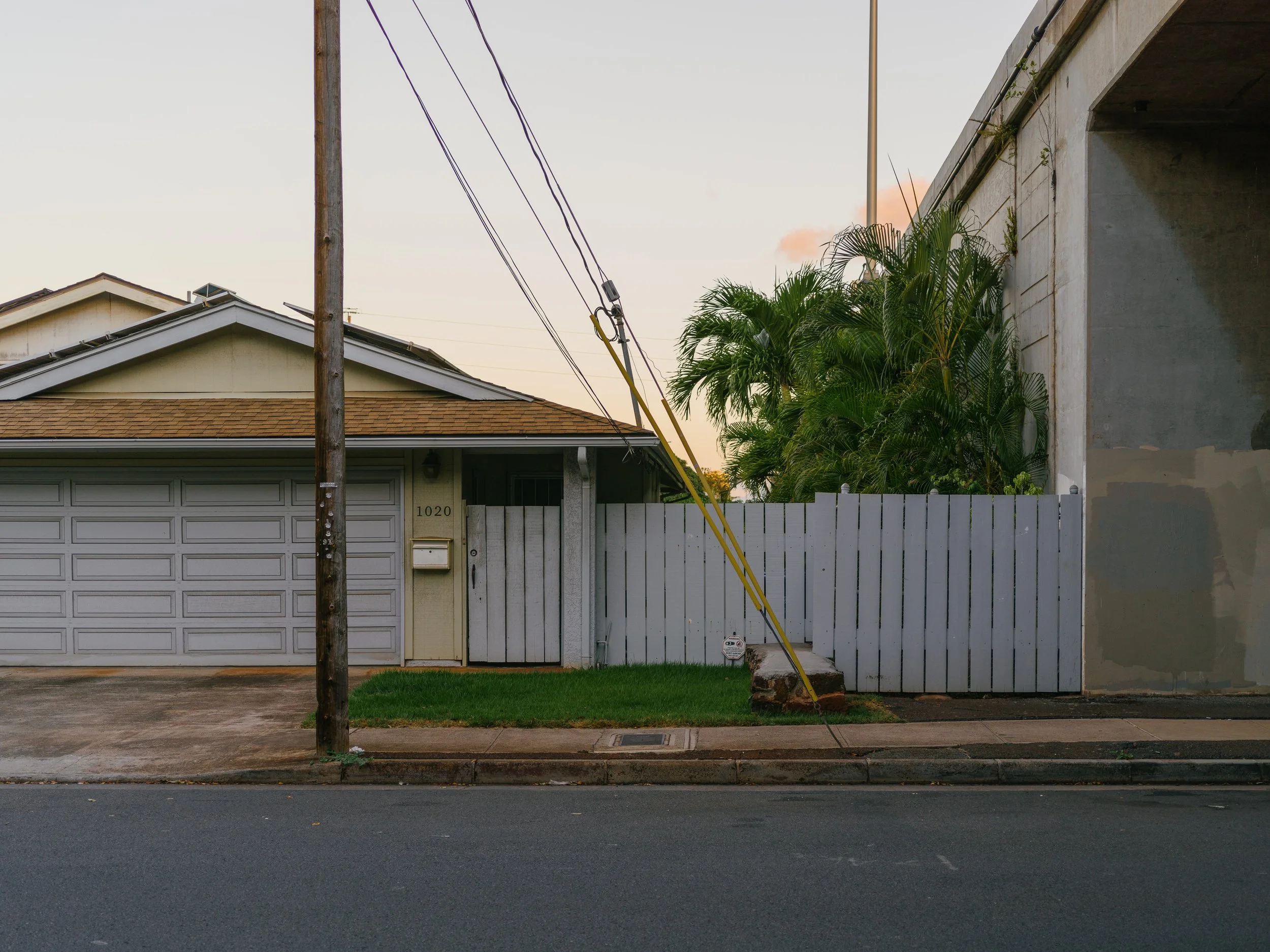
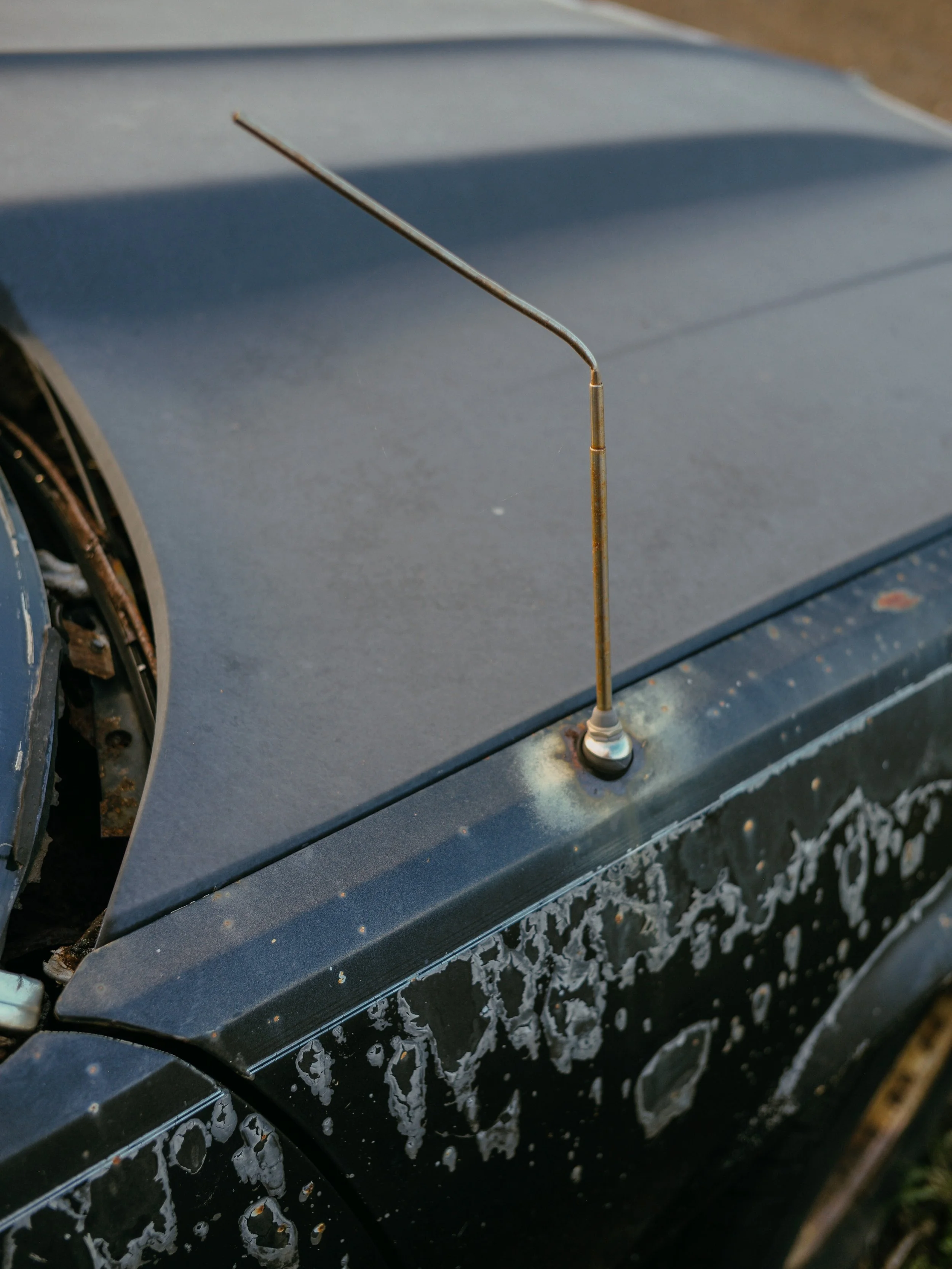
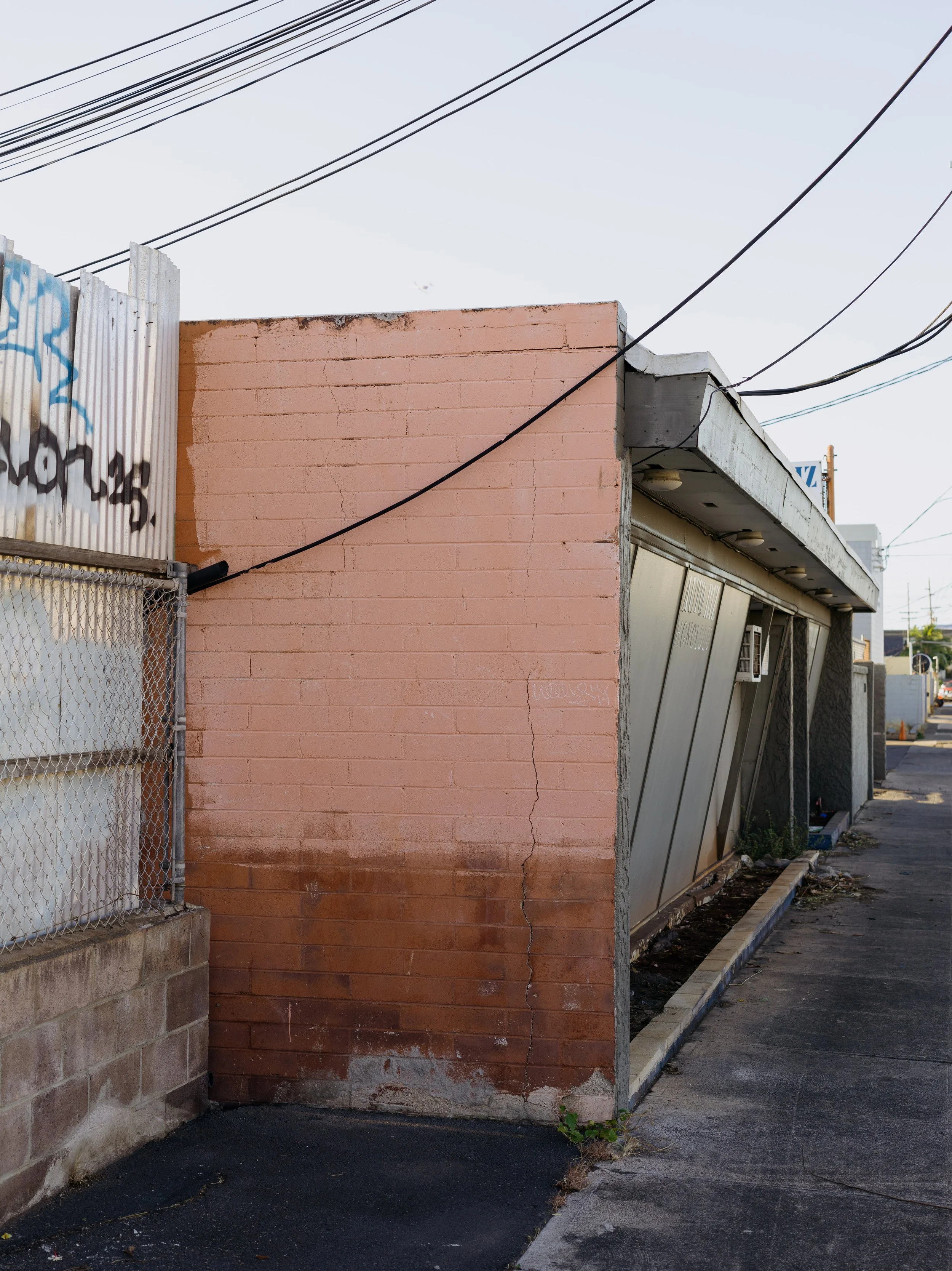
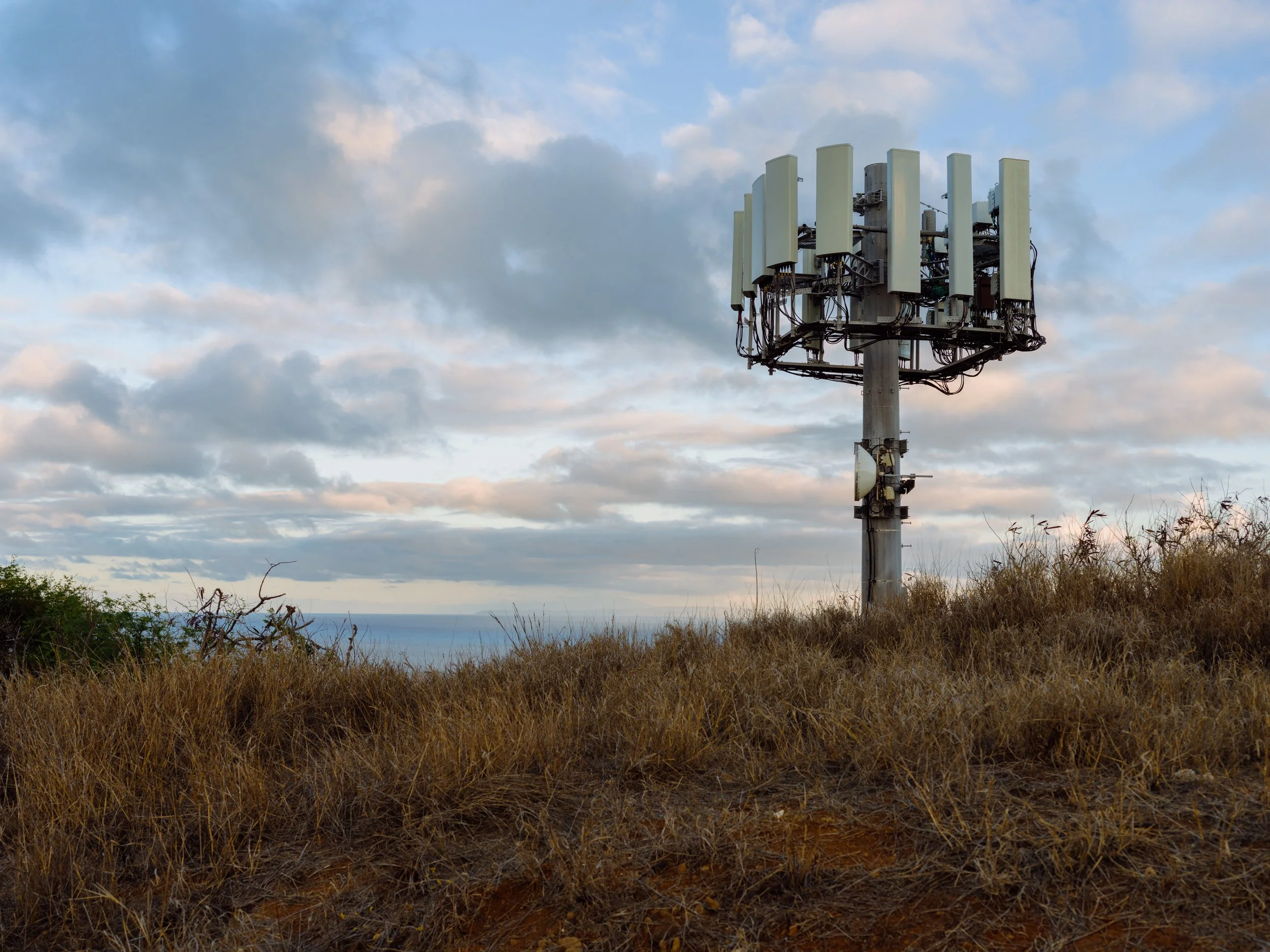
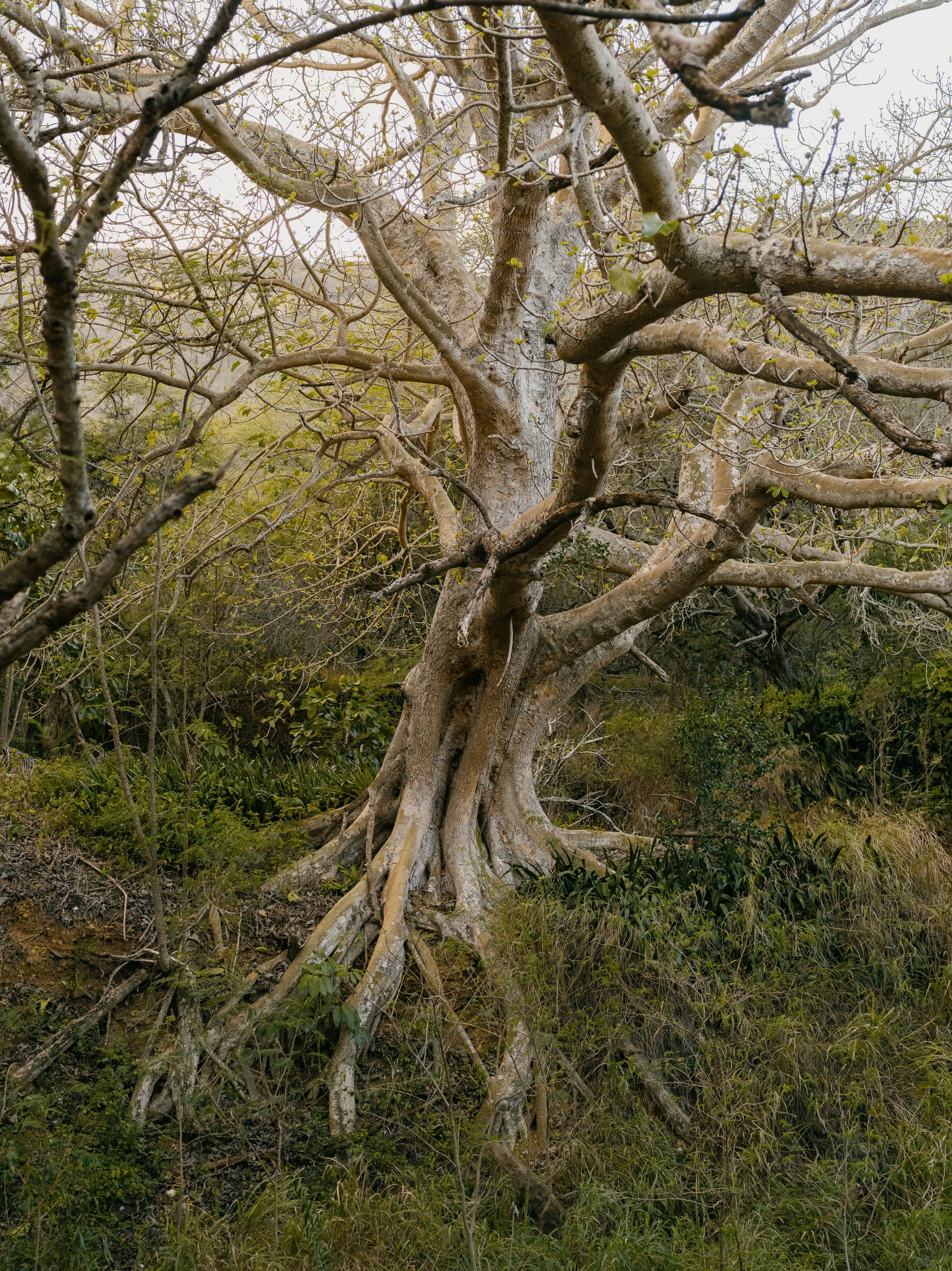
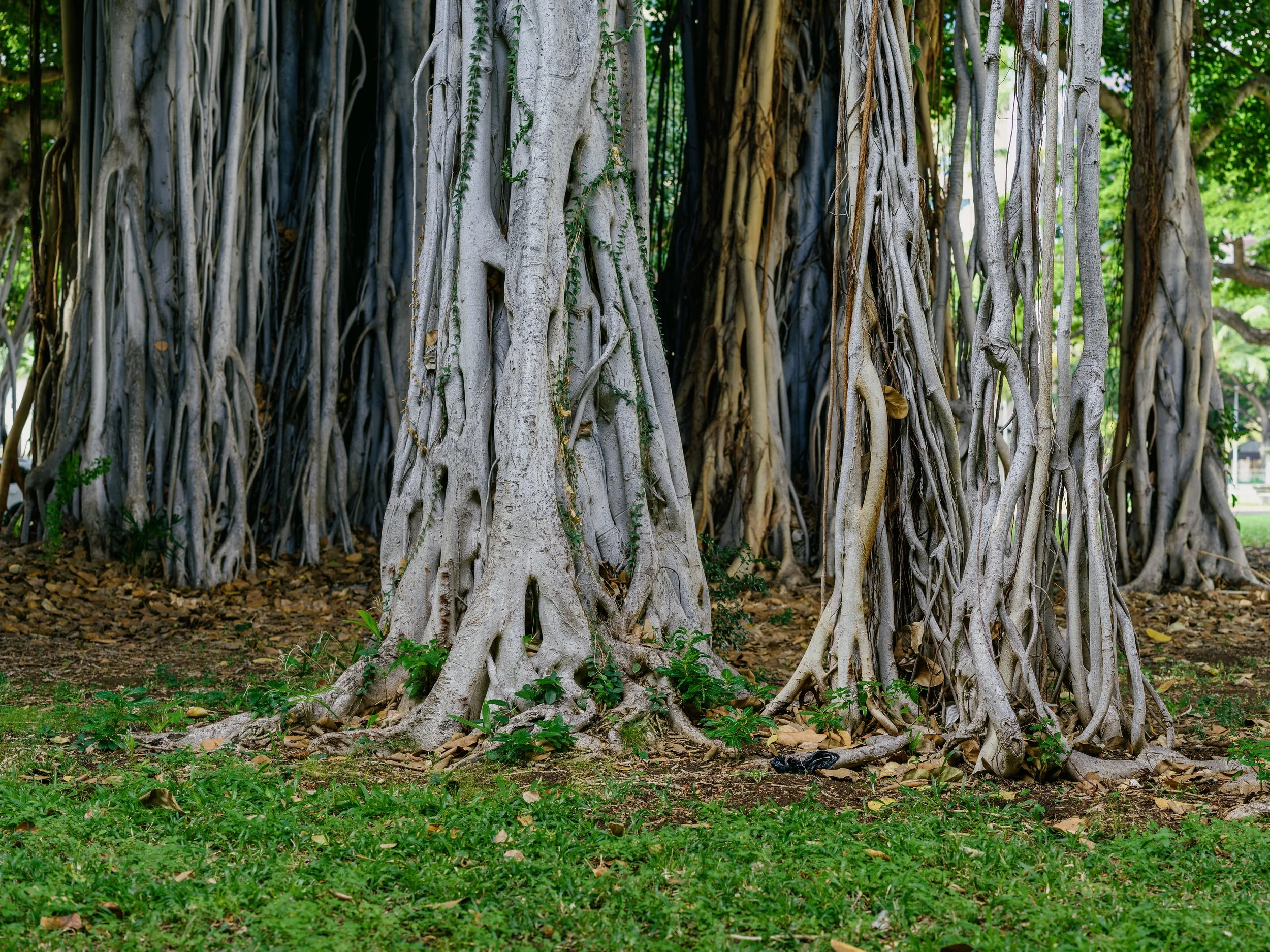
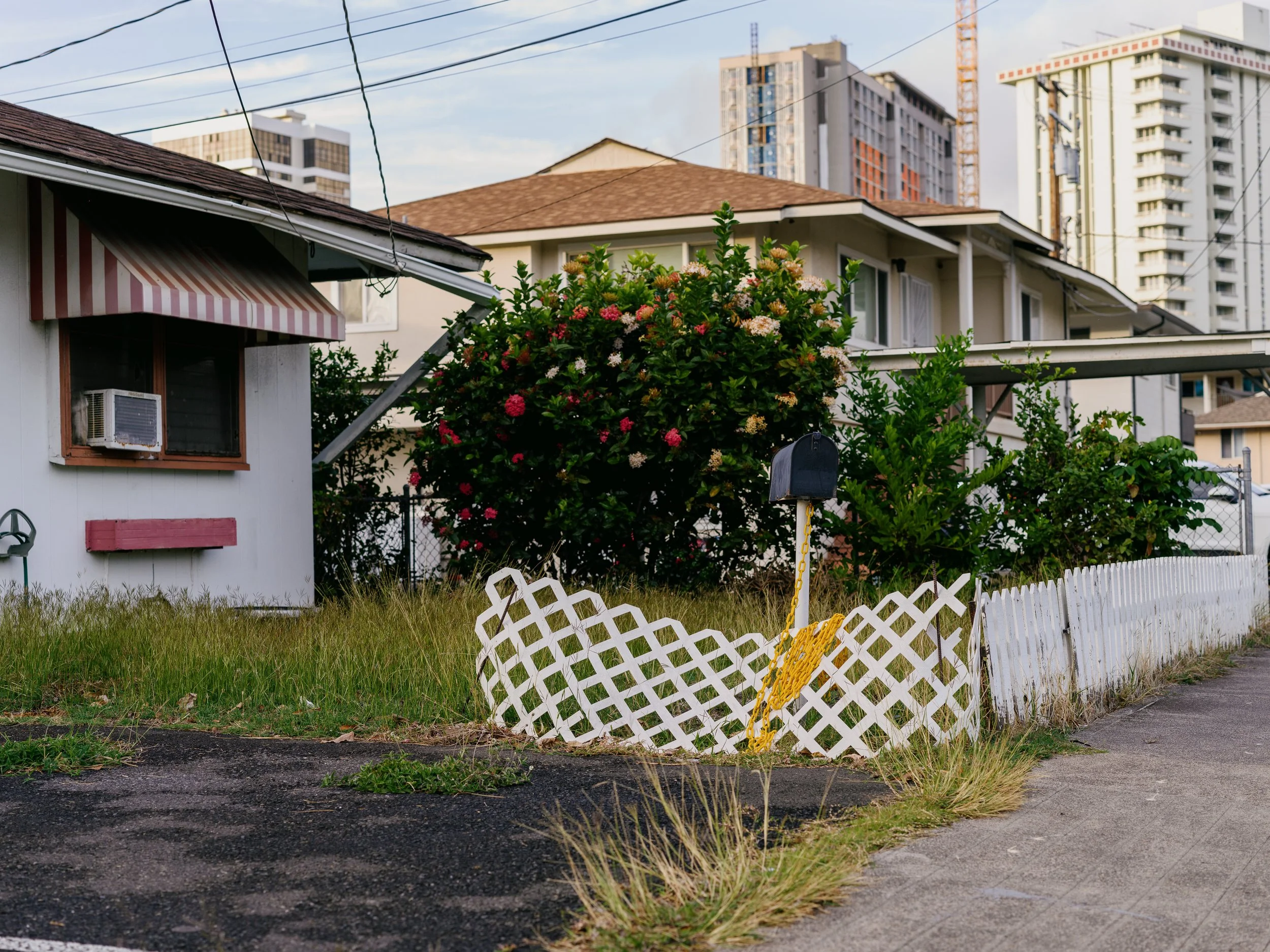
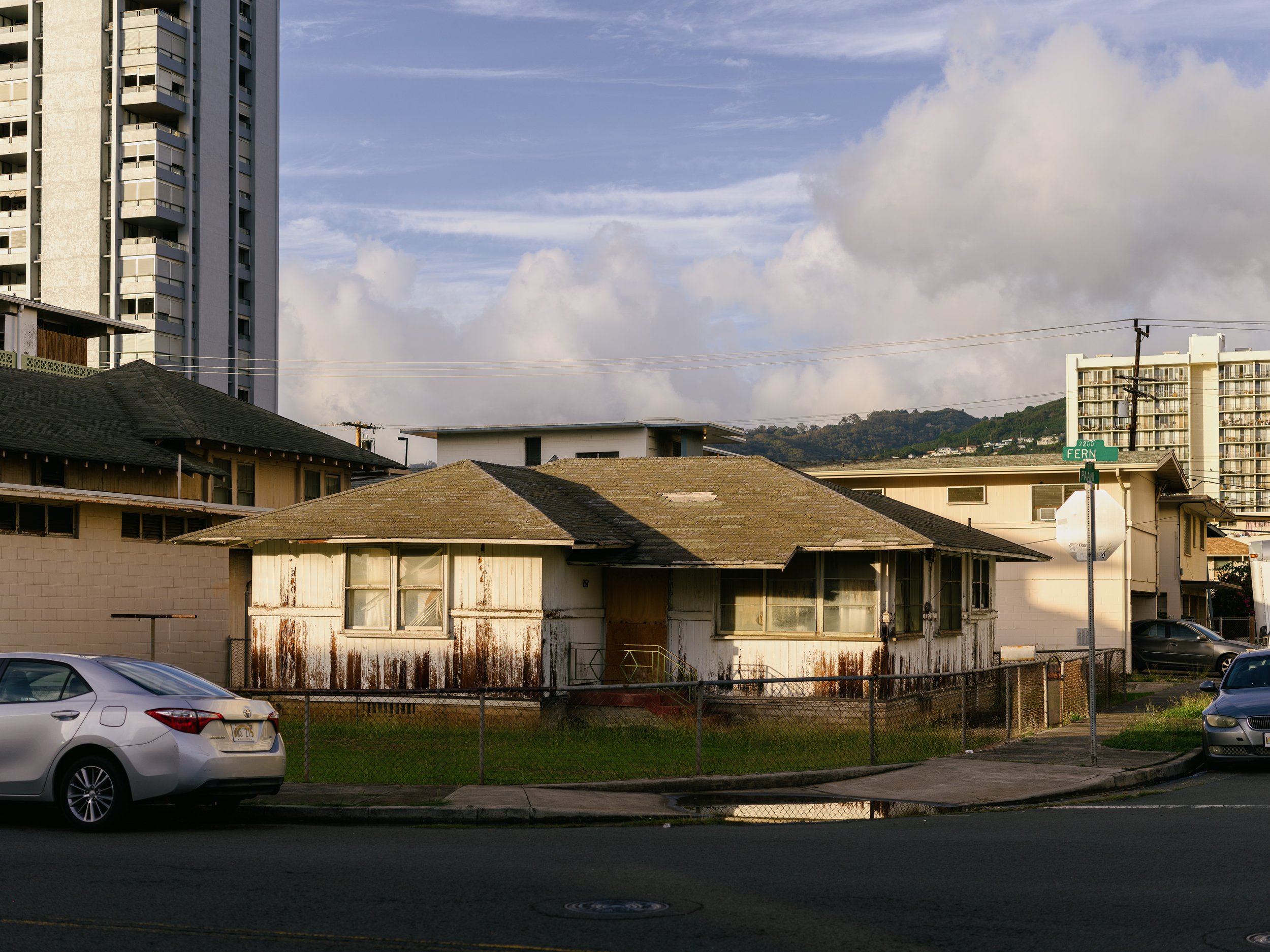

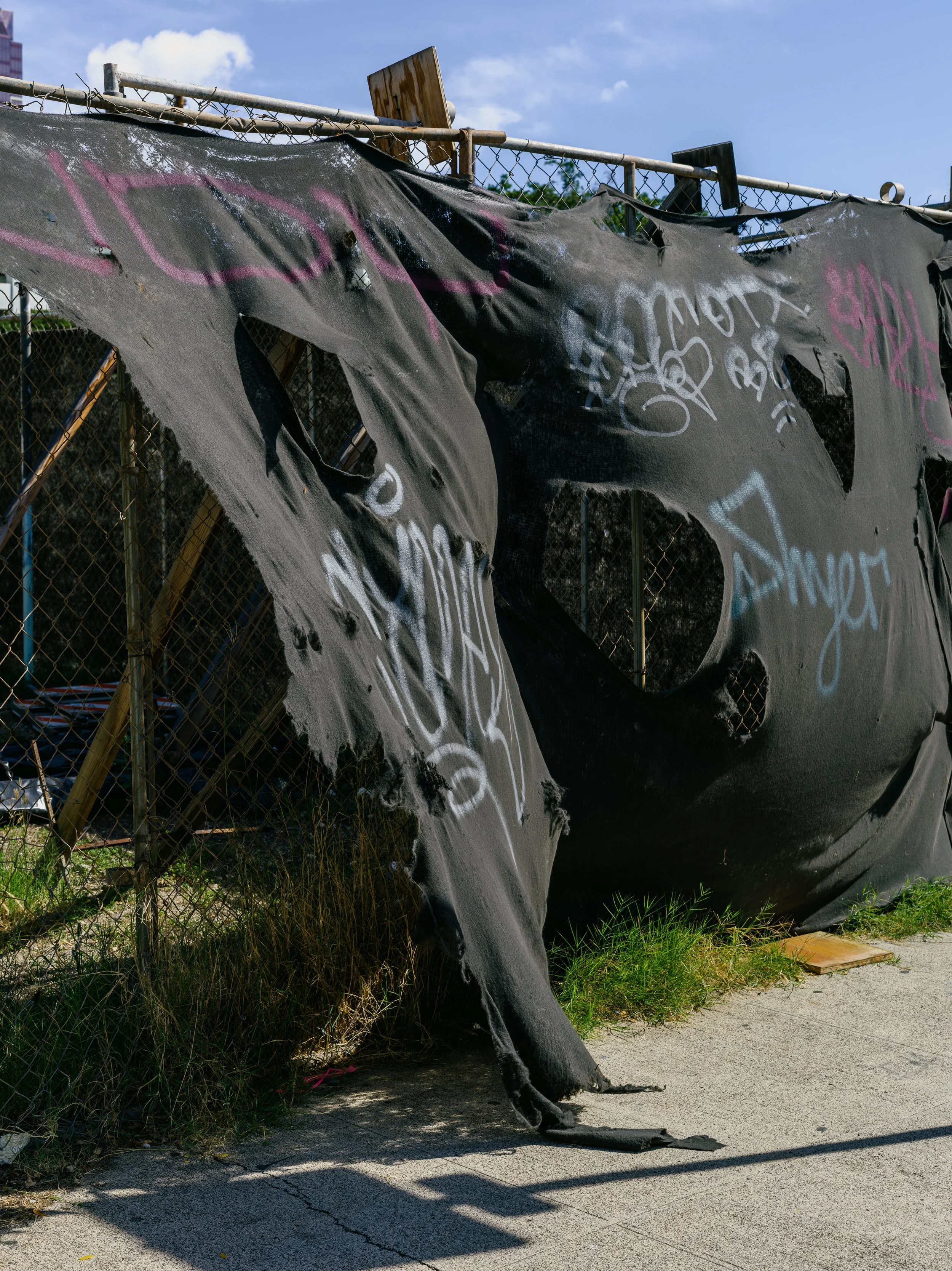
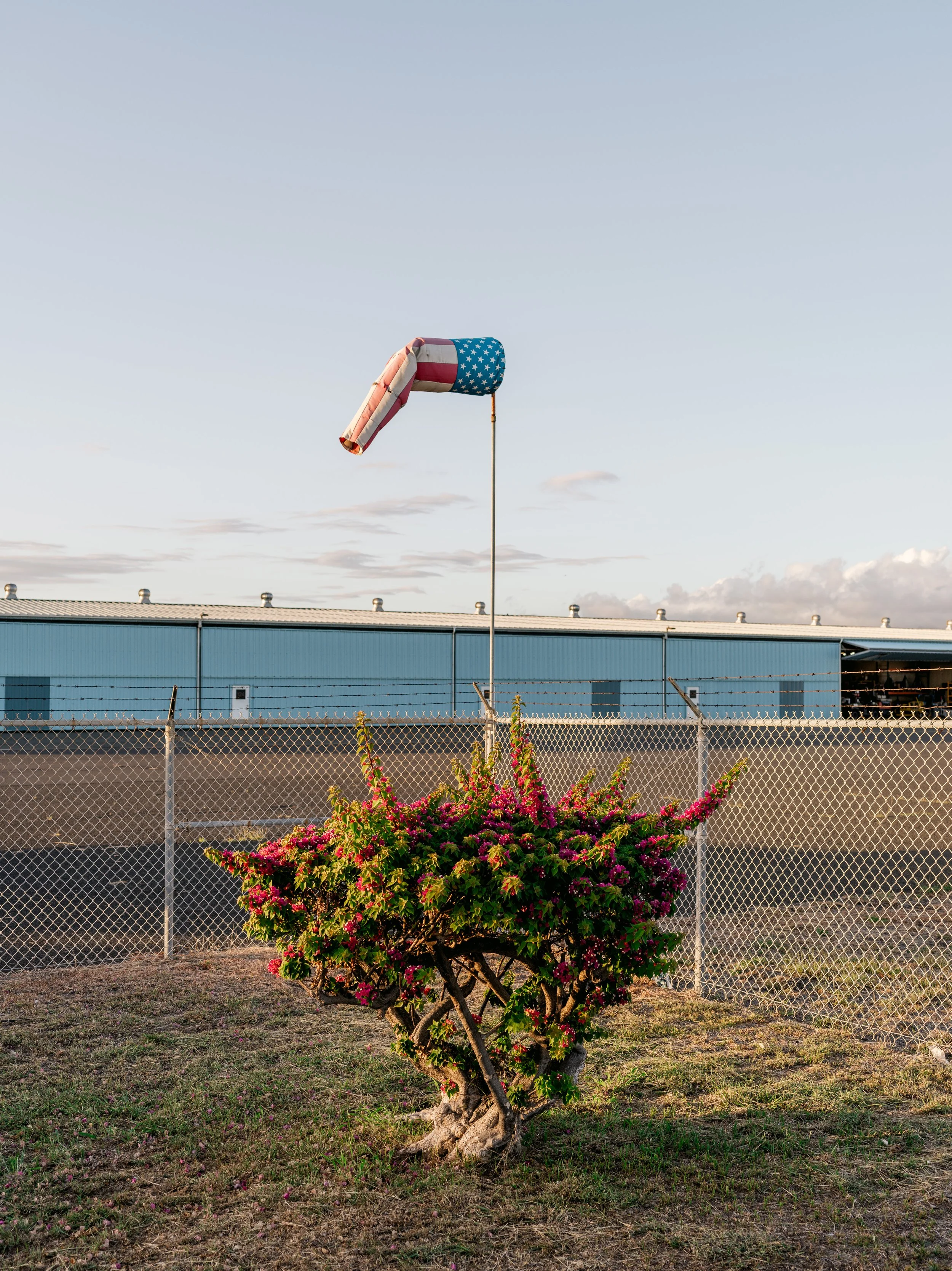
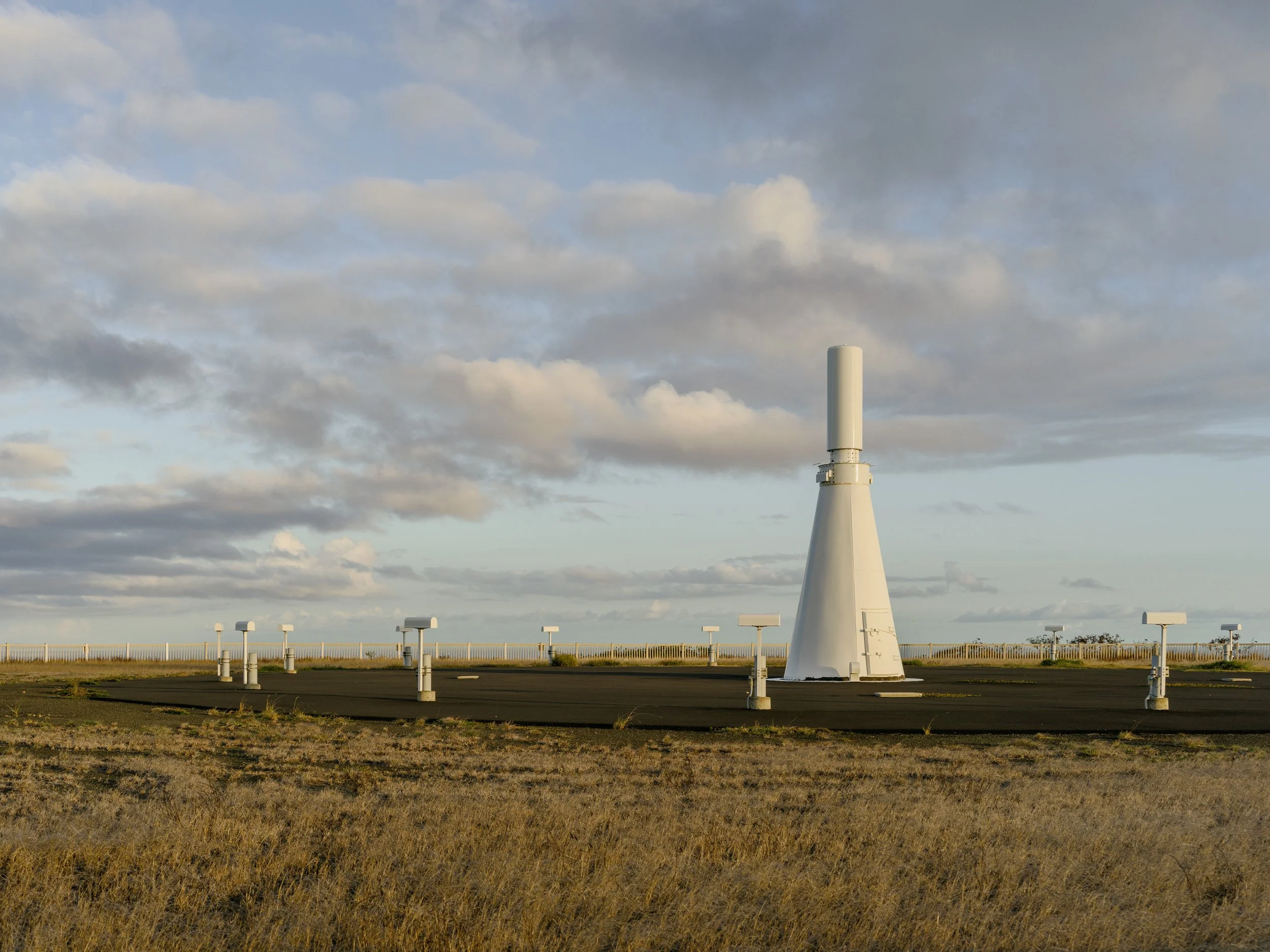
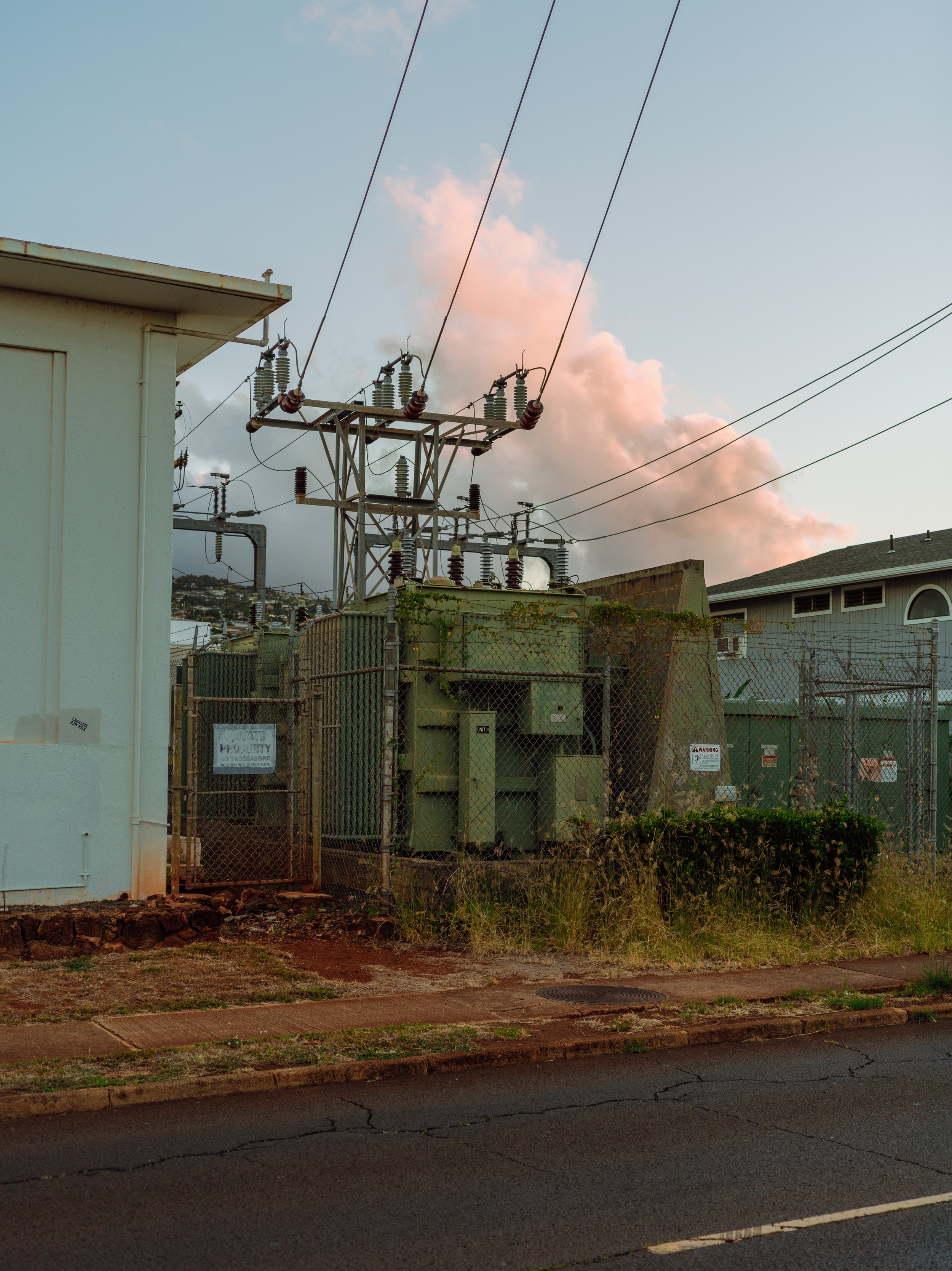
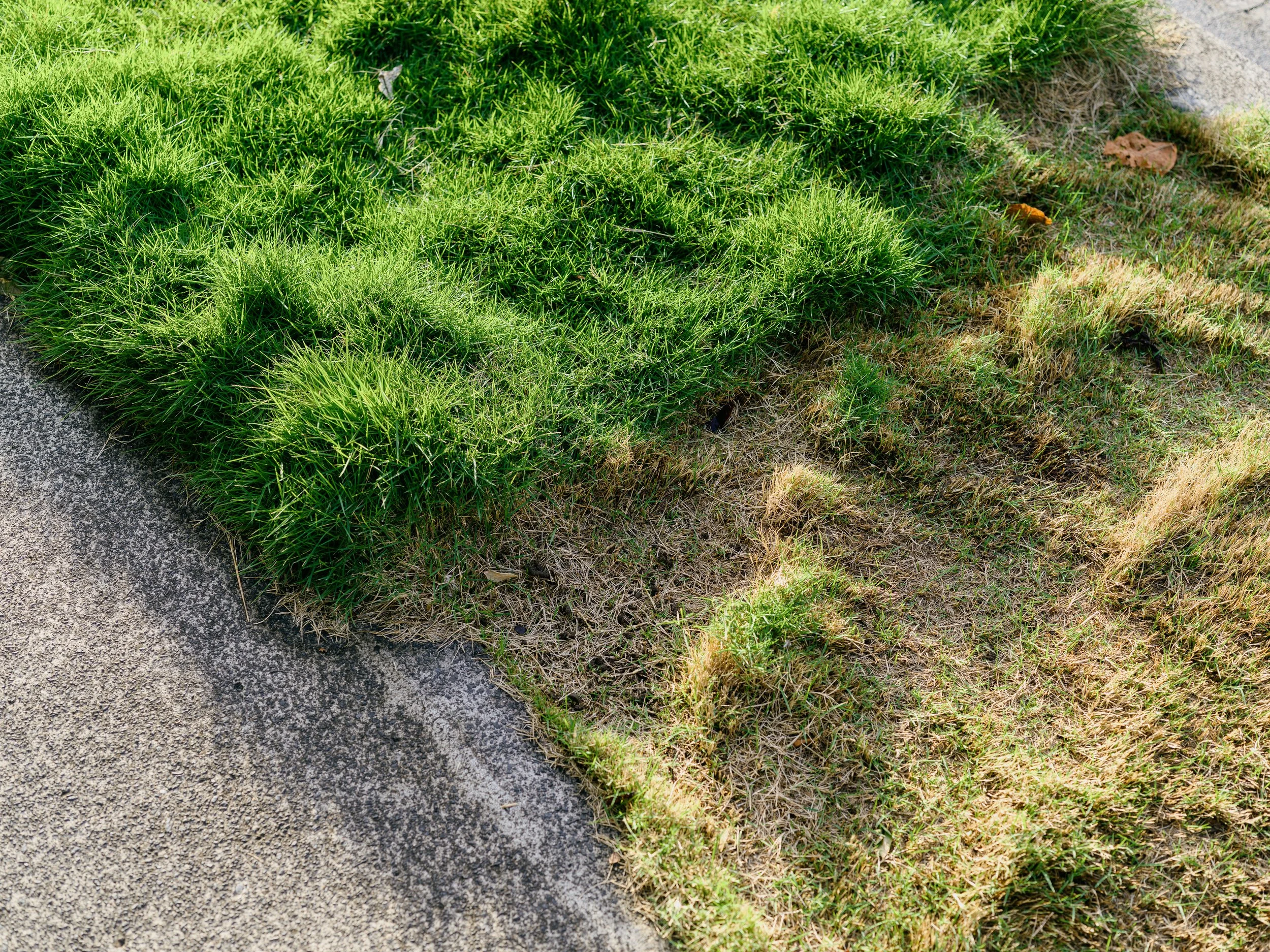
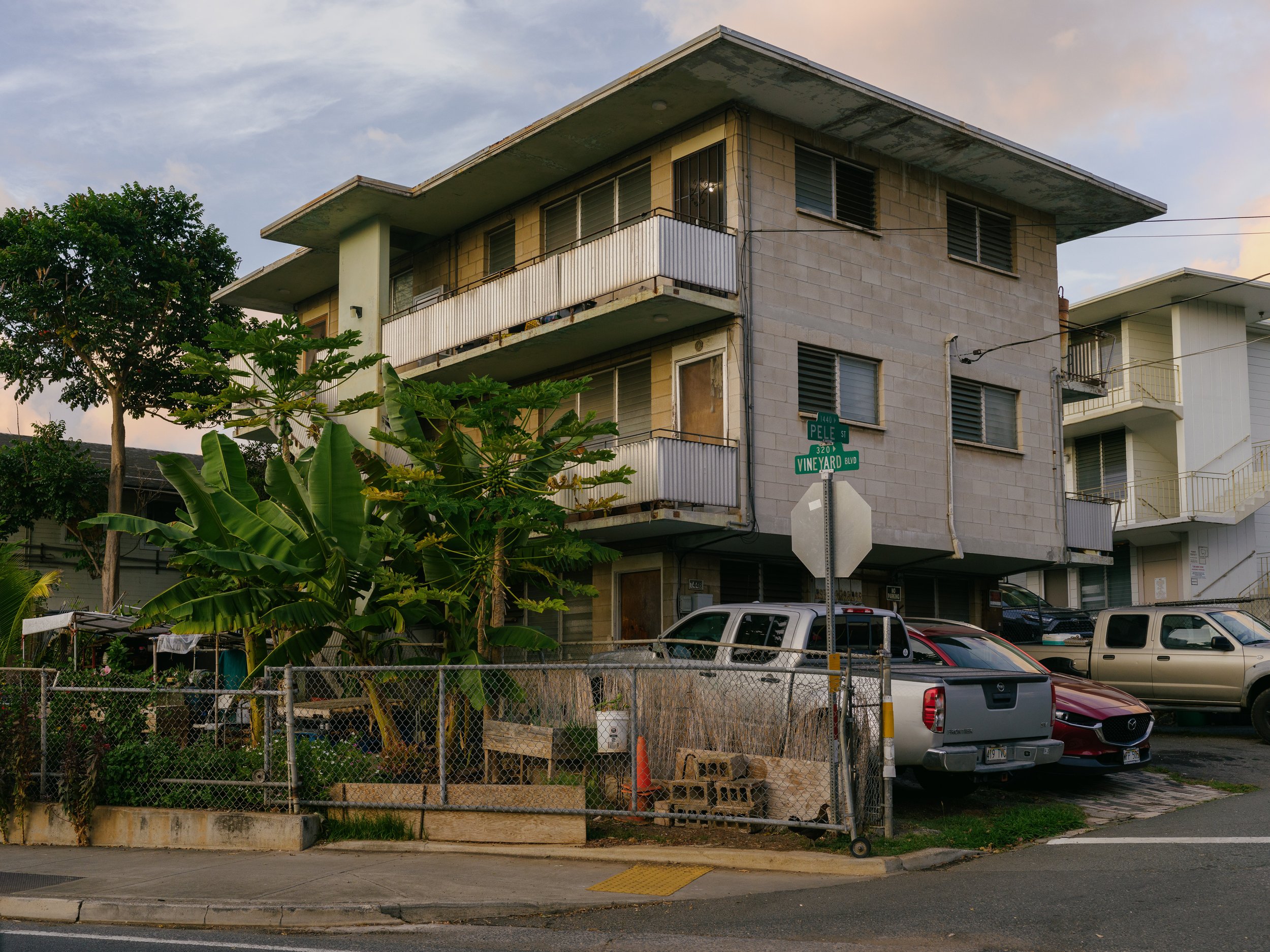
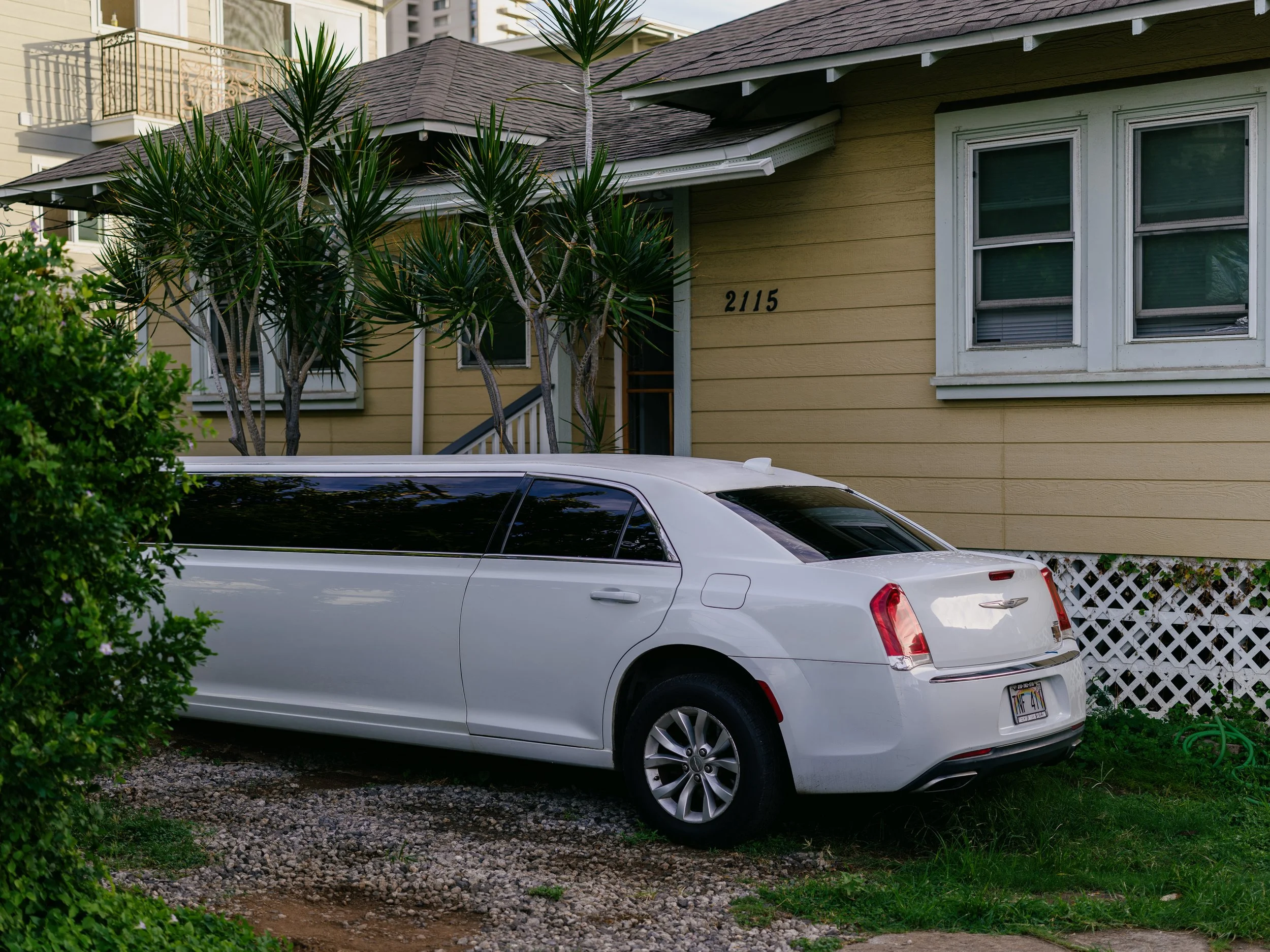
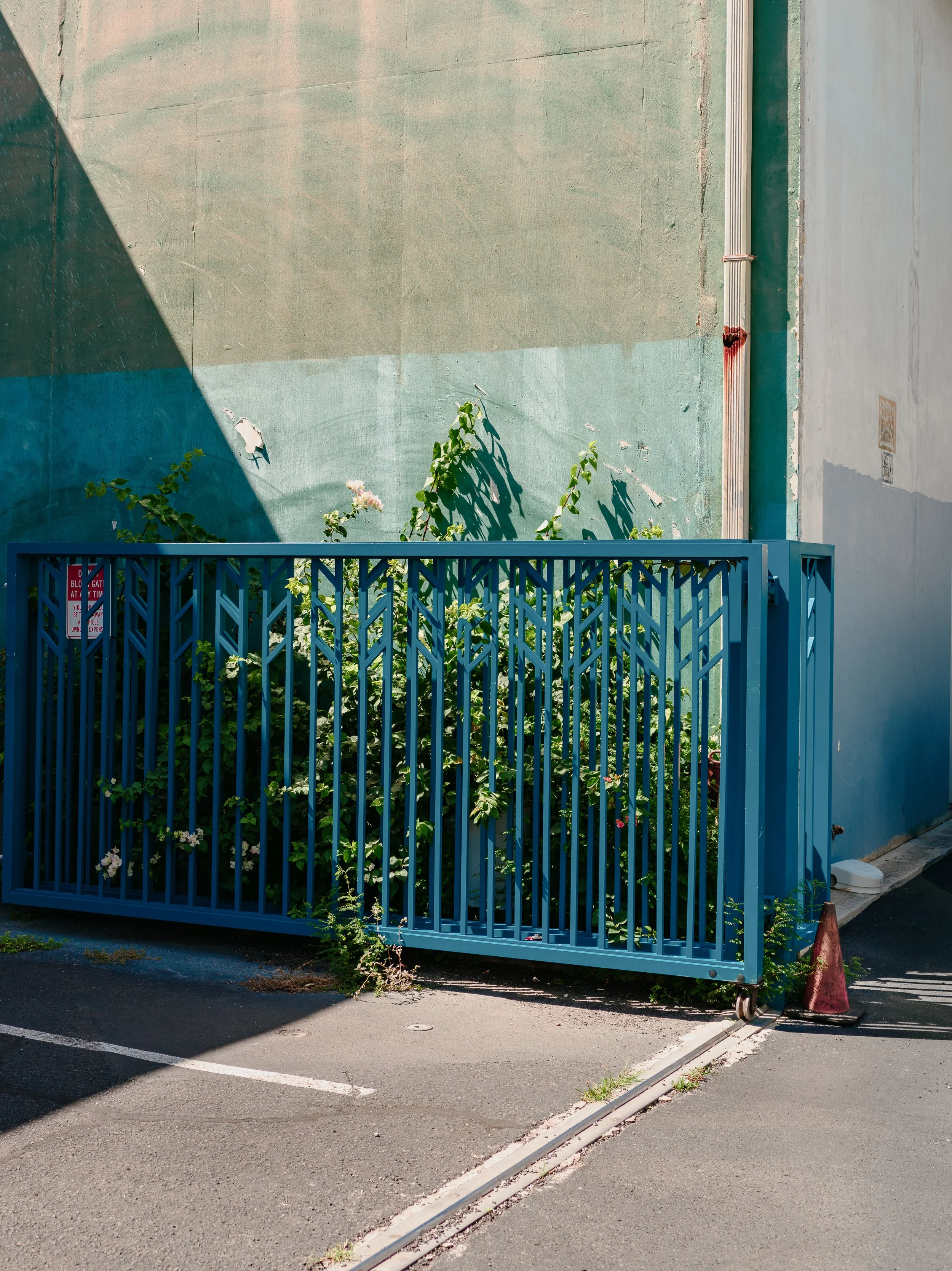
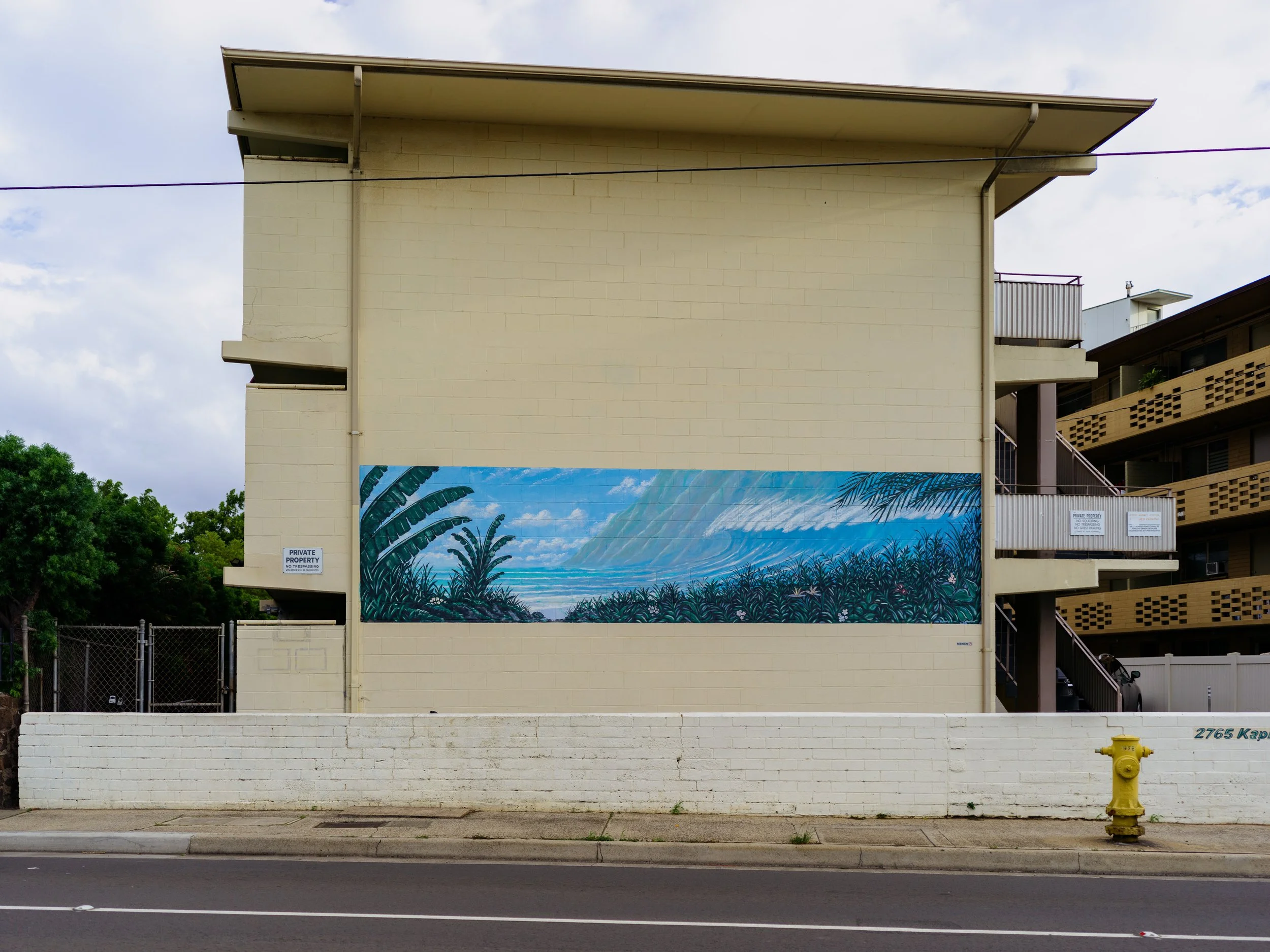
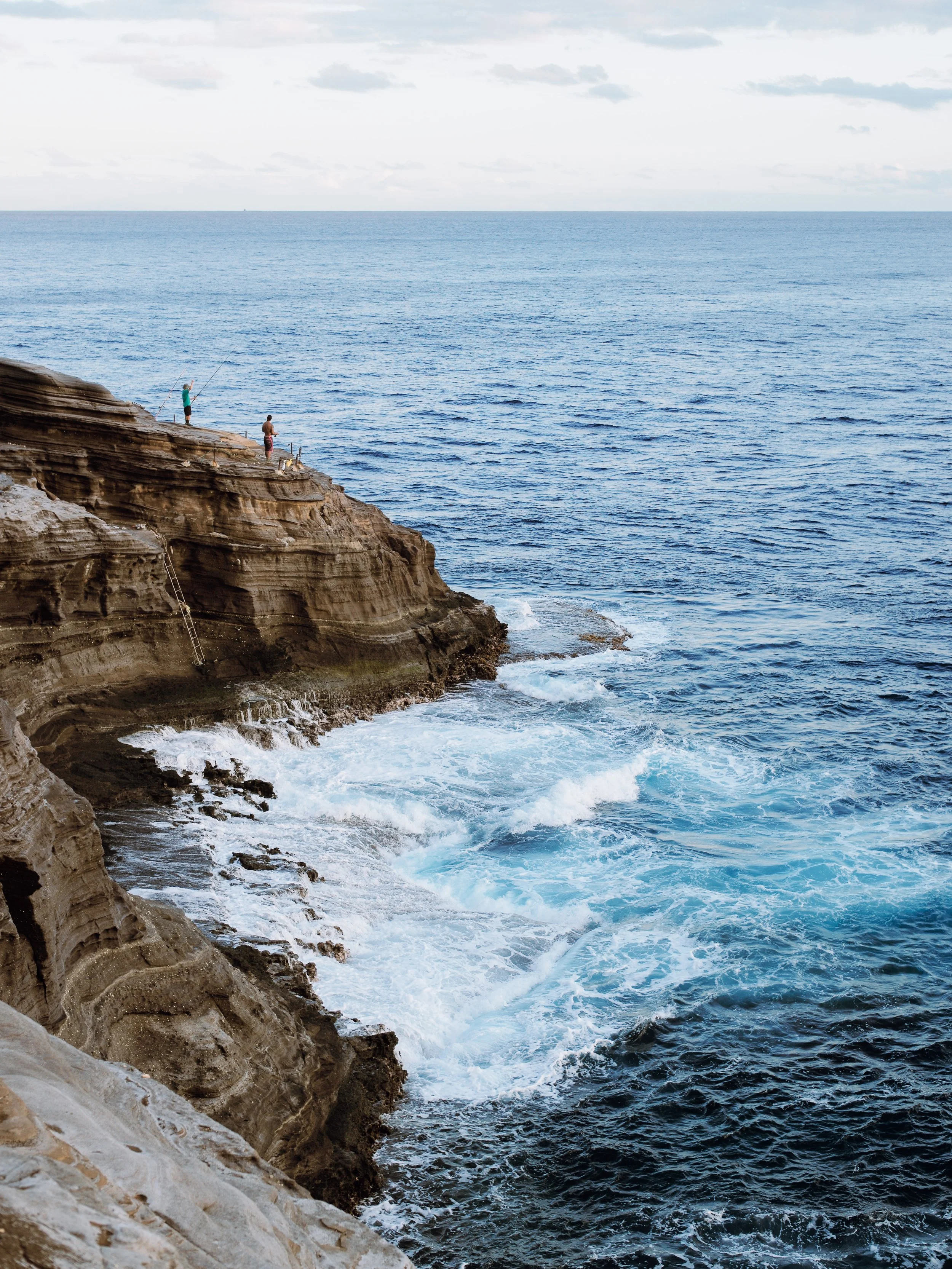
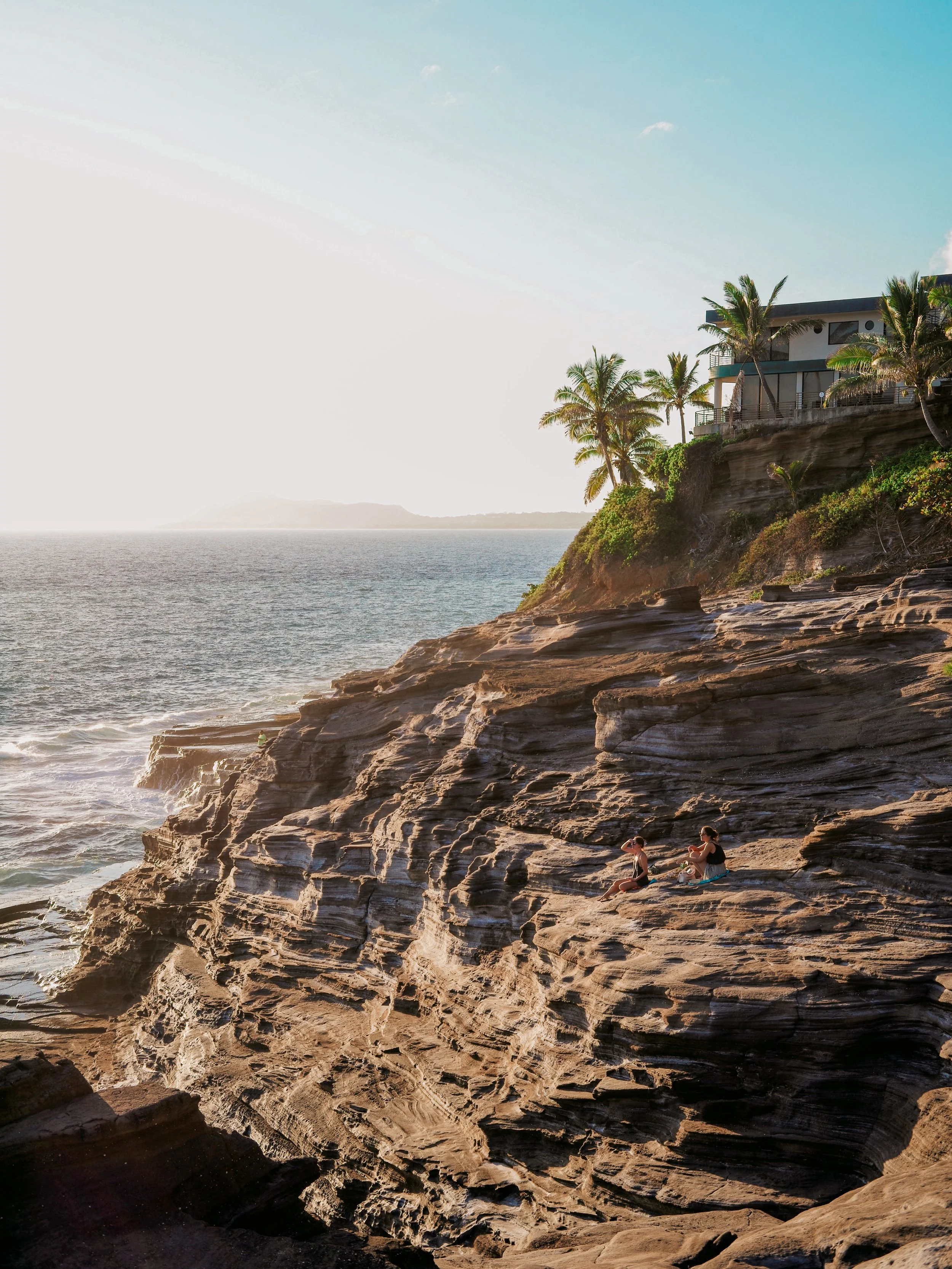
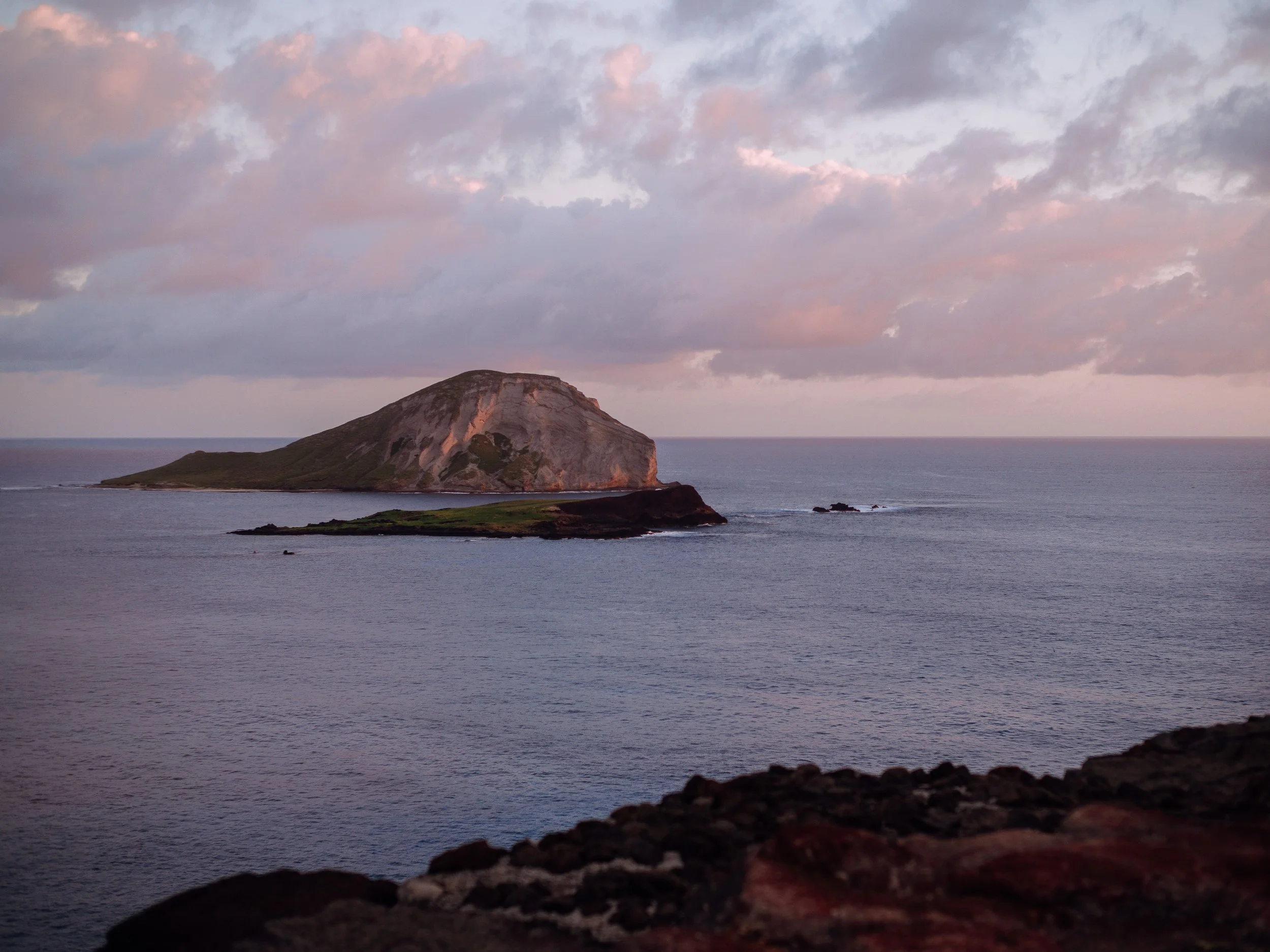
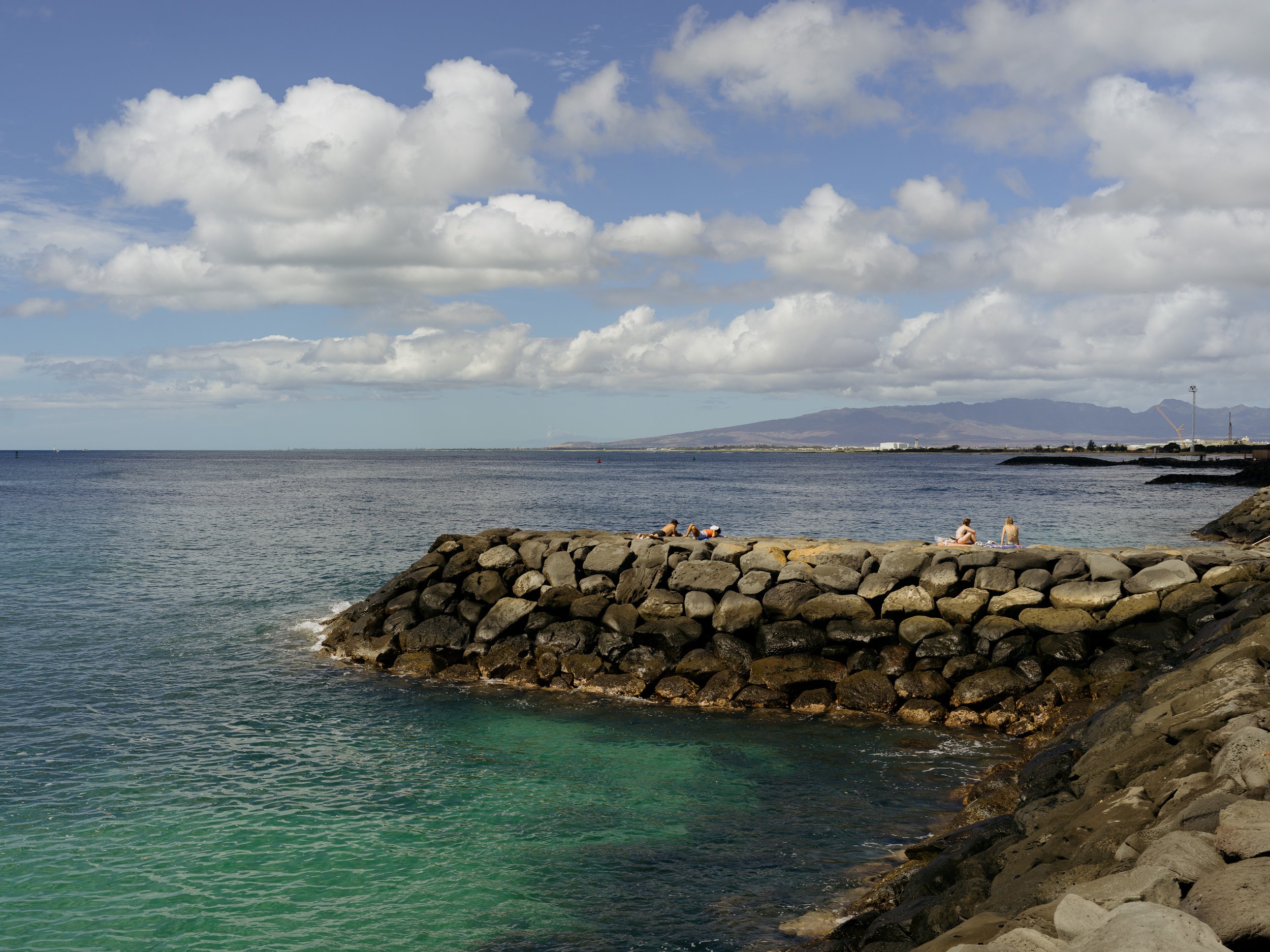
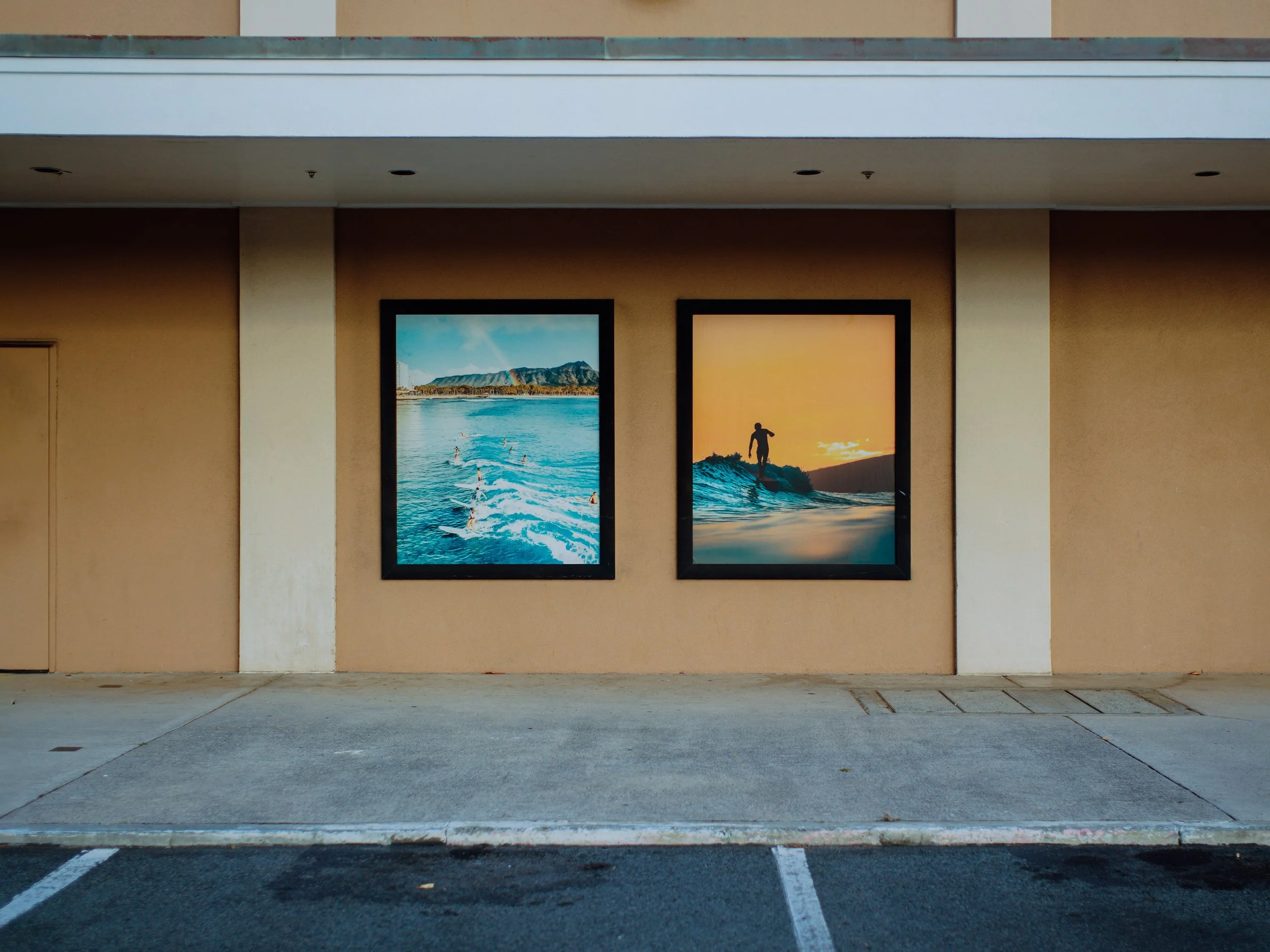
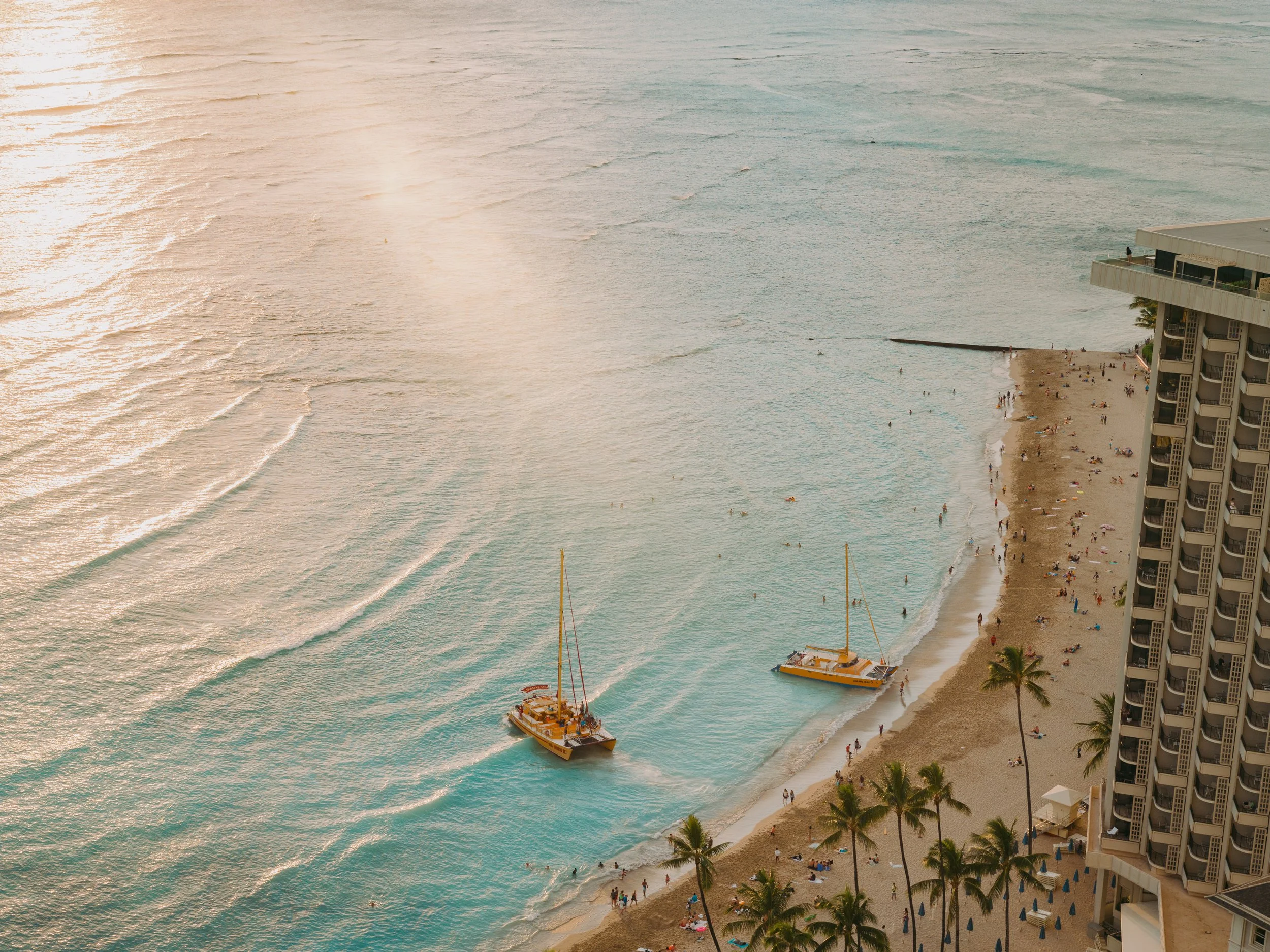
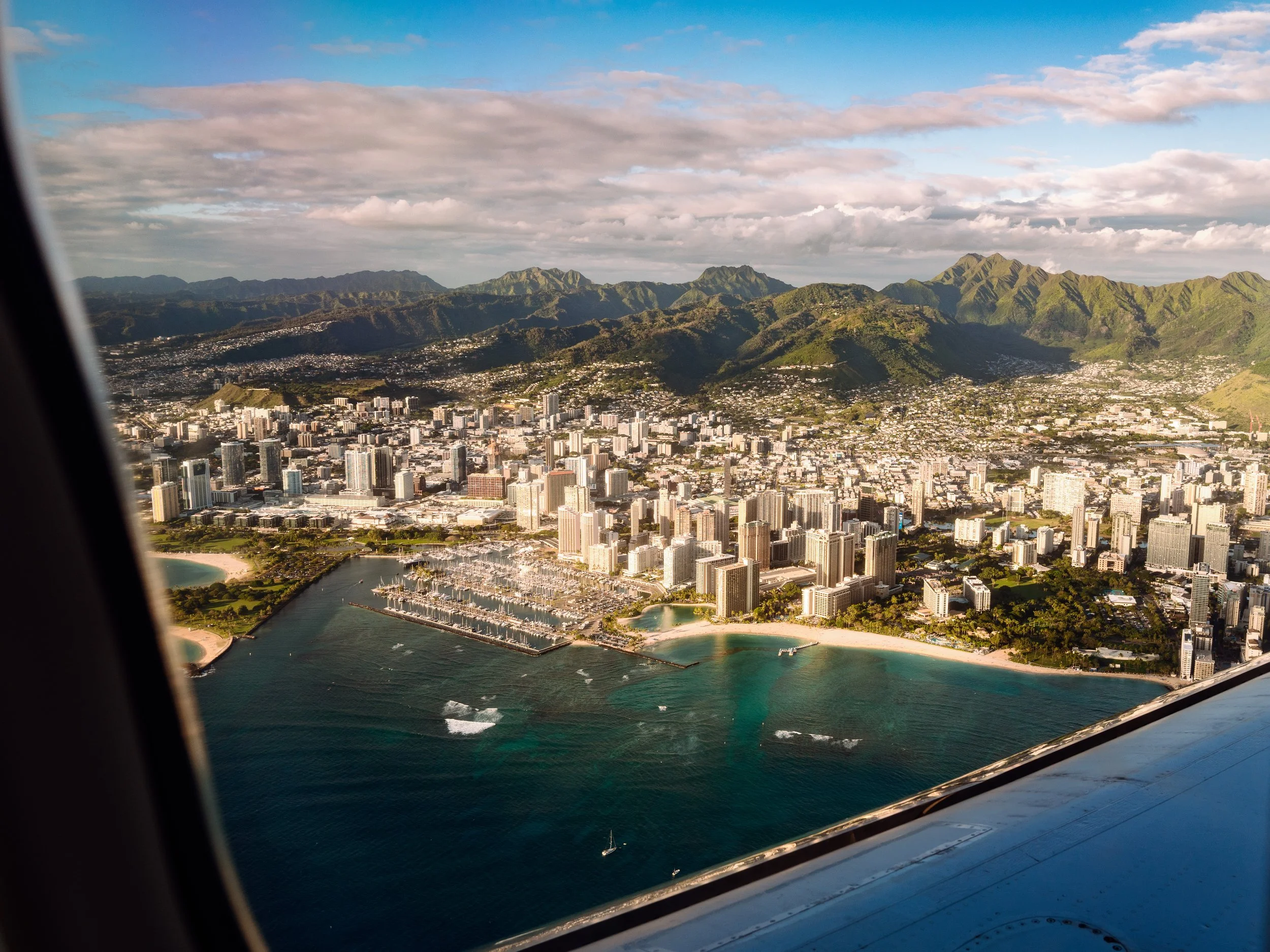
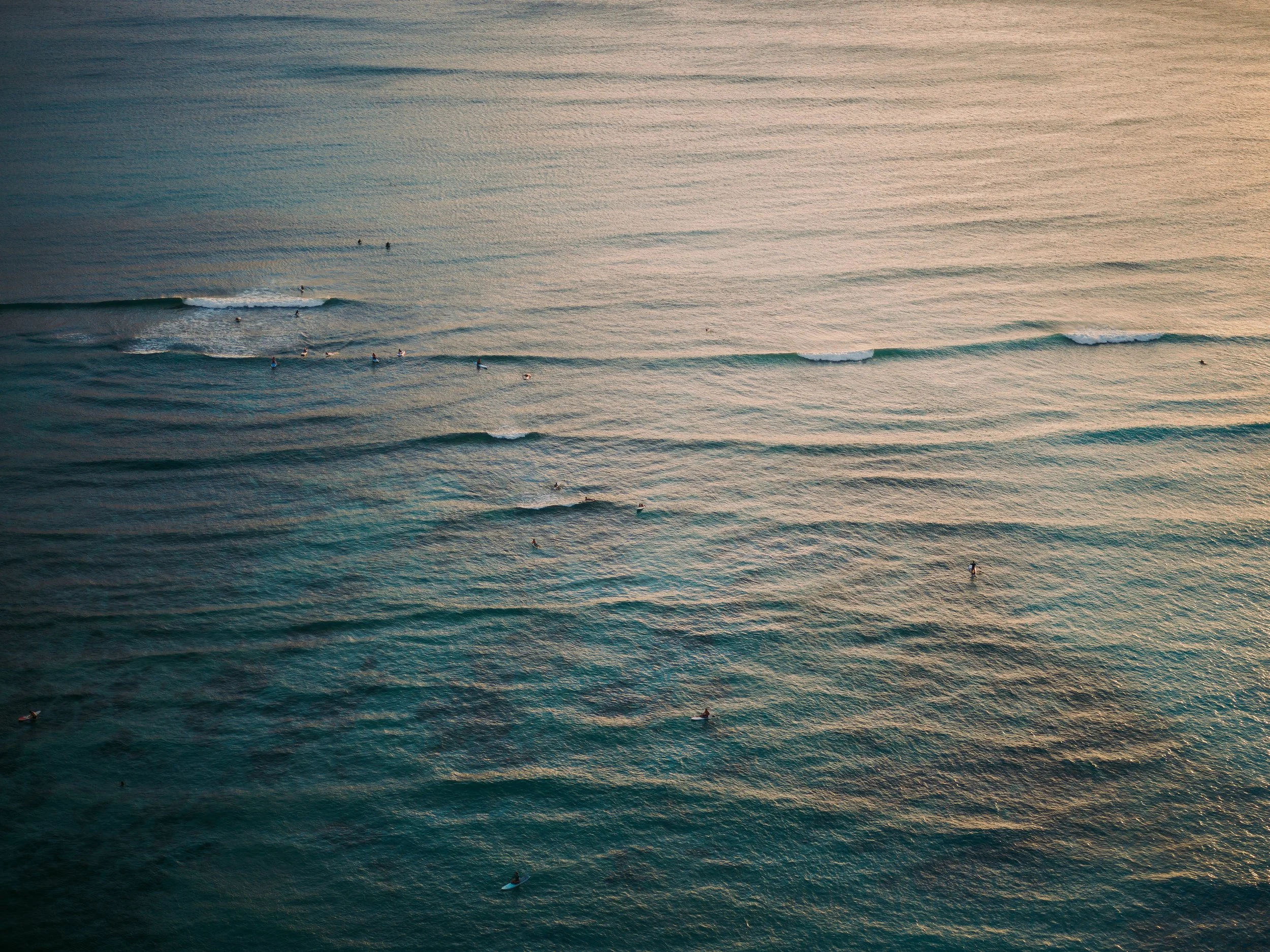
‘ili kai examines Honolulu, portraying it as a place suspended between the built world and the vast expanse of the open sea. ‘ili kai is a Hawaiian word meaning “the surface of the sea.” Like its namesake, the work revolves around the concept of the ocean’s surface as a living skin, a boundary that is open yet contains us, reflecting light and memories. The city’s architecture creates its own tension: fences, facades, and fragments of human intention that press inward, shaping the psychological contours of island living.
The photographs capture the intersection of these forces. Here, the built environment doesn’t replace nature but disrupts it. There is friction in this coexistence. Trees sprout from structures, salt corrodes the rebar, and the jungle flourishes in the cracks of the sidewalk. This work is less a documentary about Honolulu but rather an exploration of its thresholds: a study of surfaces that hold, divide, and ultimately merge into one another.